

Ever found yourself daydreaming about a bigger kitchen while washing up in your cramped one? Or perhaps you’ve wondered whether knocking through that wall might finally give your family the breathing room you desperately need? If you’re an Australian homeowner feeling the squeeze, you’re certainly not alone.
The reality is that many of us face a tough choice when our homes start feeling too small. Do we pack up and move, dealing with all the stress, stamp duty and upheaval that comes with it? Or do we stay put and transform what we’ve already got into something that truly works for our lifestyle? More Australians than ever are choosing the latter option, and it’s easy to see why.
In this guide, we’ll walk you through everything you need to know about home extensions. From understanding the different types available to getting a handle on costs, navigating council approvals, and finding design inspiration that’ll make your heart sing. Whether you’re after a simple rear extension or dreaming of adding an entire second storey, you’ll find practical advice to help you make informed decisions. So grab a cuppa, settle in, and let’s explore how you can transform your home without the hassle of moving house.
Why Australians Are Choosing to Extend Rather Than Move
The Australian property market has made moving house an increasingly expensive proposition. Between stamp duty, agent fees, legal costs and removalists, relocating can easily set you back tens of thousands of dollars before you’ve even unpacked a single box. It’s no wonder so many homeowners are looking at their existing properties with fresh eyes.
Extending your home lets you stay in a neighbourhood you love. Your kids don’t have to change schools, your commute stays the same, and you keep those friendships you’ve built with the neighbours over the years. Plus, a well-designed extension can add significant value to your property, often returning more than you invest.
Is a home extension right for you? That depends on several factors. Consider your block size, council regulations in your area, and whether your existing structure can support the changes you’re envisioning. It’s worth chatting with a local builder or architect early on to understand what’s actually possible before getting your heart set on a particular design.
Types of Home Extensions
When it comes to extending your home, you’ve got more options than you might think.
- Single-storey extensions remain the most popular choice, offering a straightforward way to add extra living space without the complexity of building upward. They’re typically less expensive and cause less disruption during construction.
- Double-storey extensions are perfect for growing families who need multiple extra rooms. While they cost more upfront, they make efficient use of your land footprint, which is particularly valuable on smaller blocks.
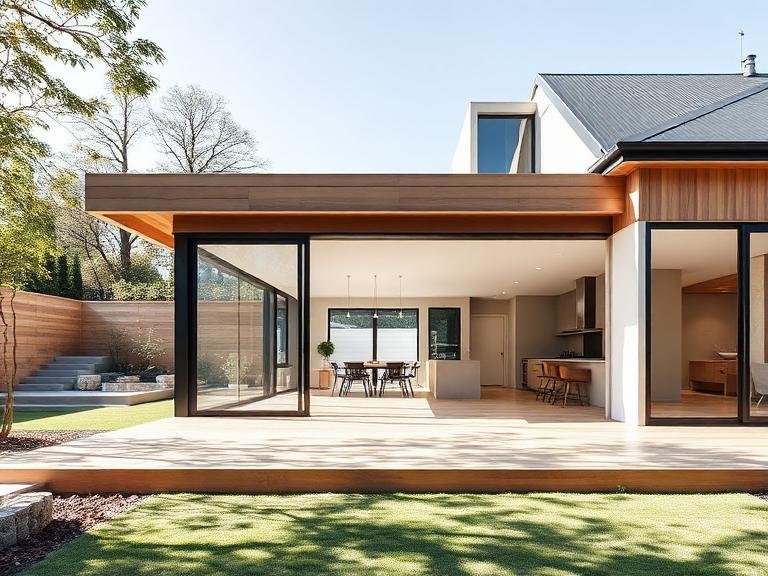
- Rear extensions push out into your backyard, ideal for creating open-plan kitchen and living areas that flow onto outdoor spaces.
- Side return extensions make clever use of that often-wasted alleyway space beside your house. They’re particularly popular in older suburbs with narrow blocks.
- Wrap-around extensions combine side and rear extensions for maximum impact, essentially creating a whole new wing of your home.
So what’s the cheapest way to extend a house? Generally speaking, single-storey rear extensions with simple rooflines offer the best value. Keeping your extension close to existing plumbing and electrical connections also helps minimise costs. Prefabricated or modular options can provide savings too, though they may limit your design flexibility.
Home Extension Costs in Australia
Let’s talk numbers, because understanding costs is essential for realistic planning. How much does a home extension cost? The honest answer is it varies enormously depending on your location, the complexity of the build, and your finish quality.
- Average cost per square metre typically ranges from $1,500 to $5,000 or more. A basic extension might sit at the lower end, while high-end finishes, structural complexity, or difficult site access push costs upward. In Sydney and Melbourne, expect to pay premium rates compared to regional areas. Here’s a rough
- Cost breakdown to consider: labour usually accounts for 40-50% of your total spend, materials another 30-40%, with the remainder covering architectural fees, council permits, engineering reports and other professional services.
- Hidden costs that catch people out include soil testing, tree removal, temporary accommodation if you need to move out, and landscaping to restore your garden afterwards.
Are home extensions worth the investment? In most cases, yes. A thoughtfully designed extension typically adds more value than it costs, particularly in desirable suburbs. Beyond the financial return, there’s the priceless benefit of having a home that actually fits your life.
Planning Your Home Extension
Do you need council approval for a home extension? Almost certainly, yes. Most extensions require both planning permits and building permits, though the requirements vary between states and local councils. Some minor works may qualify as exempt development, but it’s always safest to check before assuming.
Understanding planning permits and building regulations can feel overwhelming, but your architect or building designer should guide you through this process. You’ll need to comply with setback requirements, height limits, and overshadowing rules that protect your neighbours’ amenity. Heritage overlays or bushfire zones add extra layers of complexity.
How long does it take to get approval for an extension? Allow anywhere from six weeks to several months, depending on your council’s workload and whether your application triggers any concerns. Straightforward applications generally move faster than those requiring neighbourhood notification or committee assessment.
Working with architects and designers is money well spent. They’ll help you maximise your space, navigate regulations, and avoid costly mistakes. When hiring the right builder, look for proper licensing, adequate insurance, and a portfolio of similar projects. Always get multiple quotes and check references before signing anything.
Home Extension Design Ideas
This is where the fun begins!
- Open-plan kitchen and living areas remain incredibly popular, creating that flowing, connected feel that’s perfect for modern family life. Think large islands, seamless transitions between cooking and lounging spaces, and plenty of room for everyone to gather.
- Adding a second storey makes sense for growing families who need extra bedrooms or a parents’ retreat. It’s a great way to maximise limited land without sacrificing outdoor space. Many homeowners use this approach to create dedicated zones, keeping noisy living areas downstairs and peaceful bedrooms upstairs.
- Creating a home office or studio space has become increasingly important since the pandemic changed how we work. A well-designed workspace can improve productivity and help maintain boundaries between professional and personal life.
- Outdoor living extensions including alfresco areas and decks extend your usable space and make the most of our wonderful Australian climate.
How can you make your extension look seamless with your existing home? The key lies in thoughtful material selection and respecting your home’s architectural character. A skilled designer can create extensions that either blend invisibly or provide deliberate contrast that enhances rather than clashes.
Maximising Space and Natural Light
When you’re working with a small block extension, clever design becomes even more critical. Consider going up rather than out, using split levels to create visual separation, or incorporating built-in storage to maximise every centimetre.
Skylights and bi-fold doors are absolute game-changers for bringing natural light deep into your extension. Skylights work brilliantly in areas where windows aren’t possible, while bi-fold doors blur the boundary between indoor and outdoor spaces. Both options make rooms feel larger and more inviting.
Overcoming Common Challenges
How do you extend your home on a tight budget? Prioritise ruthlessly, focusing on the spaces you’ll use most. Consider a phased approach, completing the shell now and fitting out later. Choose mid-range materials that offer good value rather than the cheapest options, which often disappoint.
Managing disruption during construction requires planning. Discuss timelines with your builder, prepare for noise and dust, and consider whether temporarily relocating makes sense for your family. Good communication with your builder helps everyone stay sane.
What if your extension goes over budget? Build a contingency of 10-15% into your original budget, and have honest conversations with your builder as issues arise. Sometimes compromising on finishes rather than cutting corners on structure is the smartest approach.
Key Takeaways Before Starting Your Home Extension
So there you have it – everything you need to know about home extensions, from first daydream to final finish. The journey from cramped and frustrated to spacious and satisfied is absolutely achievable with proper planning and the right team around you.
Remember, the most successful extensions start with clear thinking about what you actually need. Take time to understand your options, get realistic about costs, and don’t skimp on professional advice. If you’re planning a project in the local area, exploring experienced professionals for home extensions Fairfield can also help you understand the design, planning and construction considerations specific to your property.
A good architect or designer pays for themselves many times over by avoiding expensive mistakes and maximising your return.
Whether you’re adding a simple rear extension or transforming your entire home, the key is approaching the project with patience, realistic expectations, and excitement for what’s possible. Your extended home awaits – now it’s time to make it happen. Good luck with your project, and enjoy the journey of creating a home that truly fits your life!
For more infromation, visit vowinterior.com