

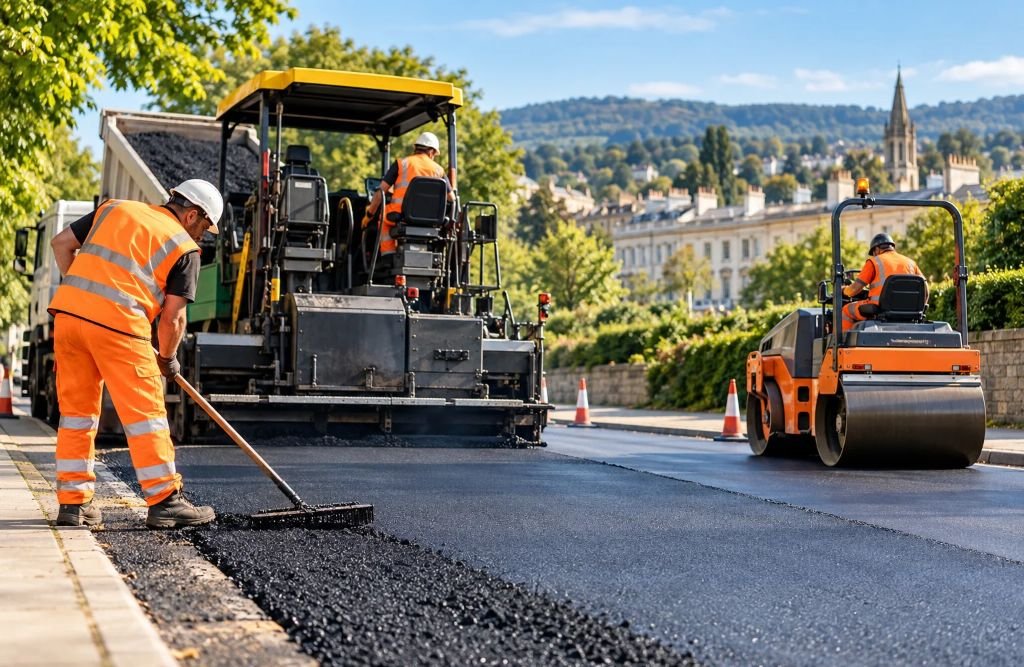
Road safety is influenced by many factors, from responsible driving and clear signage to well-maintained roads and properly designed surfaces. While drivers naturally focus on traffic conditions, speed limits, and visibility, the condition of the road itself can have a major effect on how safely vehicles, cyclists, and pedestrians move through an area.
Cracks, potholes, uneven surfaces, standing water, and poorly maintained edges can create unnecessary hazards. Professional road surfacing and maintenance can help address these problems before they become more serious. For property owners, businesses, councils, and developers in the Cheltenham area, choosing experienced contractors for asphalt-related work can therefore be an important part of maintaining safe and functional surfaces.
The Connection Between Road Surfaces and Safety
A road or driveway needs to provide drivers with a predictable surface. When pavement becomes damaged, vehicles may need to slow down suddenly, change direction, or move around potholes. These unexpected movements can increase the risk of minor incidents and, in busy areas, potentially contribute to more serious collisions.
A smooth asphalt surface provides better consistency for everyday traffic. It can also make it easier for drivers to maintain control, particularly when manoeuvring through car parks, residential streets, commercial entrances, or access roads.
Professional Asphalt Cheltenham contractors can assess the existing surface, identify weaknesses, and recommend suitable solutions based on traffic levels, drainage, ground conditions, and the intended use of the area.
Reducing Potholes and Surface Damage
Potholes are among the most noticeable road-surface problems. They can develop when water enters small cracks and weakens the underlying layers. Repeated vehicle movements, temperature changes, and general wear can gradually enlarge the damaged area.
For drivers, potholes can cause sudden jolts and may affect tyres, wheels, suspension components, and steering systems. Cyclists and motorcyclists can face additional risks because an unexpected change in road level may affect balance and control.
Regular inspections and timely repairs can help prevent small defects from developing into larger problems. Rather than waiting until a surface becomes severely damaged, property owners can arrange maintenance when early signs of deterioration appear.
Better Drainage Helps Prevent Hazards
Water is one of the biggest challenges facing asphalt surfaces. If rainwater cannot drain effectively, it may collect on the pavement or gradually penetrate cracks and joints.
Standing water can reduce visibility of surface defects and make driving conditions more difficult. During colder weather, trapped water can also contribute to further surface deterioration.
Effective drainage should therefore be considered as part of any quality surfacing project. Professional contractors can assess gradients, drainage points, surrounding ground conditions, and existing water flow before carrying out installation or repair work.
Well-planned Asphalt Cheltenham solutions can help create surfaces where rainwater is directed away efficiently, reducing the likelihood of persistent pooling and water-related damage.
Smooth Surfaces Improve Vehicle Control
A consistent road surface makes everyday driving more predictable. Sudden dips, raised sections, broken edges, and loose materials can all affect how a vehicle responds.
This is particularly important in areas where vehicles frequently accelerate, brake, turn, or interact with pedestrians. Car parks, school access roads, commercial premises, residential developments, and private roads can all benefit from well-maintained surfacing.
A properly installed asphalt surface offers a relatively smooth and stable finish. When combined with appropriate road markings, lighting, signage, and drainage, it can contribute to a more organised environment for everyone using the area.
Supporting Safer Pedestrian Areas
Road safety is not only about vehicles. Pedestrians also depend on well-maintained surfaces when walking around residential and commercial areas.
Broken pavement edges, potholes, uneven transitions, and deteriorated parking areas can create trip hazards. This can be particularly problematic for older people, children, and individuals with mobility difficulties.
Although asphalt alone cannot solve every pedestrian safety issue, high-quality surfacing can contribute to a cleaner and more accessible environment. Properly defined pedestrian routes, crossings, entrances, and parking areas can also help separate different types of road users.
Professional Installation Makes a Difference
The quality of an asphalt surface depends on more than simply placing asphalt over the ground. Proper preparation is essential.
Before installation, contractors may need to remove unsuitable material, prepare the foundation, establish appropriate levels, and ensure that the base can support expected traffic. The asphalt must then be installed and compacted correctly to achieve a durable finish.
If preparation is inadequate, even a visually attractive surface may develop cracks, settlement, or other problems sooner than expected.
Working with experienced Asphalt Cheltenham professionals can help property owners ensure that important stages of the project are properly considered, from initial assessment through to finishing and maintenance.
Choosing the Right Surface for Traffic Levels
Not every asphalt project has the same requirements. A quiet residential driveway experiences very different conditions from a busy commercial car park or access road used by delivery vehicles.
Traffic volume, vehicle weight, ground conditions, drainage requirements, and expected lifespan can all influence the appropriate construction method.
A professional contractor can assess these factors before recommending a solution. This approach is more practical than selecting a surfacing option based solely on appearance or initial price.
For high-traffic areas, stronger construction and appropriate surface thickness may be necessary. For smaller private projects, the requirements may be different.
Regular Maintenance Protects Road Safety
Even a professionally installed surface needs maintenance. Asphalt is exposed to weather, vehicle traffic, water, oils, and general environmental conditions throughout its lifespan.
Routine inspections can help identify problems such as:
- Small cracks
- Surface wear
- Potholes
- Damaged edges
- Drainage problems
- Areas of settlement
- Faded road markings
Addressing these issues early can be more straightforward than waiting until extensive deterioration occurs.
Crack sealing, patch repairs, resurfacing, and other maintenance techniques can help extend the useful life of a surface while keeping it in a safer and more functional condition.
Why Local Experience Can Be Valuable
Every location presents its own challenges. Local weather patterns, traffic conditions, property layouts, and drainage characteristics can influence how an asphalt project should be planned.
For property owners searching for Asphalt, working with a contractor familiar with the local environment can make the planning process easier. Local experience can help contractors understand common surface issues and recommend practical approaches for different types of properties.
However, it is still important for customers to assess contractors based on relevant experience, workmanship, project specifications, insurance, communication, and previous work rather than location alone.
Long-Term Value Goes Beyond Appearance
A newly surfaced driveway or road can immediately improve the appearance of a property, but the benefits extend beyond aesthetics.
A properly designed and maintained asphalt surface can provide a smoother driving experience, reduce visible hazards, improve access, and support the overall functionality of a property.
For businesses, a well-maintained car park or entrance can also create a more organised environment for customers, employees, suppliers, and visitors. For residential properties, good surfacing can improve everyday access and reduce the inconvenience associated with potholes and uneven surfaces.
Investing in quality Asphalt Cheltenham work should therefore be viewed as part of responsible property and infrastructure maintenance rather than simply an aesthetic improvement.
Making Road Safety a Long-Term Priority
Road safety requires ongoing attention. Even the best asphalt surface can eventually experience wear, particularly when exposed to heavy traffic and changing weather conditions.
The most effective approach is to combine quality installation with regular inspections and timely maintenance. Property owners should keep an eye out for early signs of deterioration and seek professional advice when problems appear.
Small repairs carried out at the right time can help prevent larger structural problems and maintain a safer surface for longer.
Conclusion
The condition of a road, driveway, or car park can have a direct impact on how safely people use it. Potholes, cracks, standing water, uneven surfaces, and damaged edges can create avoidable challenges for drivers, cyclists, and pedestrians.
Professional surfacing work focuses not only on creating an attractive finish but also on proper ground preparation, drainage, durability, maintenance, and suitability for the expected traffic.
For property owners considering new surfacing or repairs, choosing experienced professionals and investing in appropriate maintenance can help create safer, smoother, and more reliable surfaces. With the right planning and ongoing care, quality asphalt can support road safety while providing long-term practical value.