

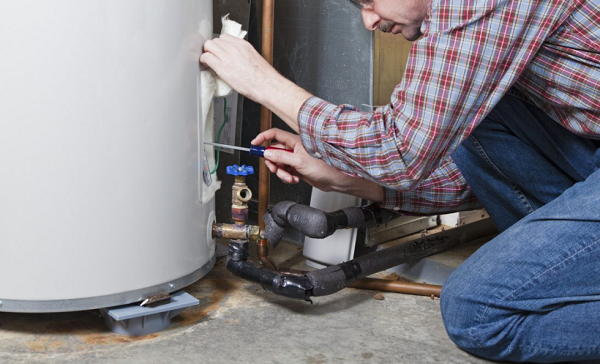
A heating appliance rarely announces that it is approaching the end of its useful life. Instead, homeowners may experience a series of smaller problems that gradually become more frequent. A shower that turns cold earlier than expected, a minor leak near the equipment, or another unexpected service visit may initially seem manageable. However, when these issues continue, the important question changes from how to correct the immediate fault to whether the existing appliance remains a dependable long-term investment.
Deciding when to retire aging equipment requires examining its operating history, physical condition, and the likely consequences of another breakdown. Some failures can be corrected economically, while others indicate deterioration that cannot be resolved through routine component servicing. When a system is no longer dependable, professional water heater replacement service can help homeowners evaluate suitable equipment and understand the practical requirements of changing their existing installation.
The decision is especially important for households with limited flexibility when hot water becomes unavailable. Families with young children, residents working irregular schedules, and homeowners managing rental properties may place a high value on continuity. Yet replacing equipment prematurely can create unnecessary expense. The most sensible approach involves comparing the condition of the current system with the realistic cost and benefits of available alternatives.
The Point Where Repairs Stop Offering Good Value
There is no universal rule stating that every appliance should be retired after a particular number of years. Equipment longevity depends on the quality of the original installation, operating conditions, water chemistry, usage intensity, and maintenance history. A more useful starting point is to examine the difference between an isolated failure and ongoing deterioration.
Before authorizing a major project, homeowners should review the likely cost to replace water heater equipment alongside the estimated expense of restoring the existing unit. This comparison should include more than the immediate repair bill. The likelihood of additional failures, current efficiency, potential infrastructure work, and expected ownership period may all affect the long-term financial outcome.
Isolated Component Failures
A relatively recent appliance may experience a defective heating element, thermostat, or other replaceable component. When the remaining equipment is sound, correcting that particular failure can be a reasonable decision. The important issue is whether the replacement component addresses the identified cause. A professional diagnosis helps distinguish between a straightforward part failure and a symptom caused by a broader problem.
Repeatedly changing parts without confirming the source can increase expense while leaving the original issue unresolved.
Deterioration That Affects the Entire Appliance
More serious concerns arise when the storage vessel shows substantial corrosion, the equipment experiences multiple unrelated failures, or critical components are no longer economical to service. A deteriorating tank is particularly significant because its structural integrity cannot generally be restored through ordinary replacement of external parts.
Homeowners should also consider whether major components remain available for older models. When equipment is obsolete or difficult to service, even a relatively modest failure can create extended disruption.
Reading the Warning Signs Over Several Months
A single cold shower may be explained by unusually heavy household demand. Repeated performance changes tell a different story. Patterns become more useful when homeowners consider how long symptoms have existed and whether they are becoming more frequent.
Increasing Recovery Time
Storage systems require time to heat incoming water after substantial use. If the recovery period becomes noticeably longer without a change in household demand, heating performance may have declined.
Possible explanations include element or burner problems, controls that are not functioning properly, or sediment-related operating conditions. The appliance may still produce heated water, making the issue easy to overlook. However, changes in recovery performance deserve investigation before they become more disruptive.
Unexplained Moisture
Water near an appliance is not always evidence of a failing tank. It may originate from connected plumbing, fittings, valves, or condensation. Nevertheless, recurring moisture requires an explanation.If leakage comes from the storage vessel itself, the underlying problem may be more serious than a replaceable connection. Water damage can also create secondary expenses involving surrounding flooring, insulation, drywall, or stored belongings.
Frequent Service Calls
An appliance that needs attention repeatedly may become expensive even when individual repairs are relatively affordable. The financial impact includes labor, replacement parts, household disruption, and possible emergency appointments. Maintaining a service record helps reveal whether the appliance is experiencing isolated events or a continuing pattern of deterioration. This history is especially useful when comparing another repair with a planned upgrade.
A New Jersey Homeowner’s Replacement Decision
Consider a hypothetical household in Morris County with an older gas-fired storage system. The appliance still heats water, but the available supply has gradually declined. Over two years, the owners have arranged several service visits, and visible corrosion has recently appeared around part of the installation. The family must decide whether another repair is appropriate.
Start With an Accurate Diagnosis
The first step is identifying what is actually wrong. Corrosion on an external fitting does not necessarily mean the tank has failed. Similarly, reduced hot water availability may be caused by changing demand rather than internal deterioration. An inspection should clarify which components are affected, whether the appliance remains safe, and what work is required. This information provides a basis for deciding what to do next.
Estimate the Risk of Continued Operation
Even when a repair is technically possible, homeowners may want to understand the condition of other major components. A relatively inexpensive repair may offer good value when the rest of the system is healthy. The same repair may be less attractive when the tank is near failure or several components are deteriorating. The technician should explain any uncertainty rather than presenting an unsupported guarantee about how long the appliance will last.
Consider Planned Versus Emergency Work
A planned project allows time to compare models, review estimates, and understand installation requirements. An unexpected failure may reduce that flexibility. Homeowners may need to make decisions quickly to restore basic household services. This difference is one reason persistent warning signs should not be ignored indefinitely.
What Determines the Total Price of a New System?
The final project expense depends on several variables. Equipment price is only one component. Two homes purchasing similar appliances can receive different estimates because their existing infrastructure and installation conditions are not identical.
Equipment Capacity and Efficiency
Larger systems and specialized technologies may have different purchase prices. Energy efficiency, fuel type, storage capacity, and manufacturer features also influence pricing. However, choosing the most expensive option does not automatically produce the best outcome. The equipment should be appropriately sized for the household and compatible with the property.
Labor and Installation Complexity
Replacing a conventional tank with a similar model may involve less work than changing to a different heating technology. Some projects require modifications to plumbing, electrical circuits, fuel connections, or venting. Restricted access can also increase labor requirements. A narrow basement staircase or confined mechanical closet may complicate removal and equipment placement.
Permits and Additional Materials
Applicable permit and inspection requirements can affect the total project scope. Certain existing components may also need to be corrected or updated as part of the work. Homeowners should ask whether the quoted amount includes removal, disposal, required materials, permits where applicable, and commissioning. A clear estimate reduces the risk of misunderstandings about what has been purchased.
Choosing Between Similar Equipment and a Technology Change
Replacing an old appliance creates an opportunity to reconsider the home’s requirements. However, a major technology change is not always the most economical choice.
Staying With a Familiar Storage Design
Conventional storage systems remain practical for many households. They can offer predictable operation when properly sized and maintained. Where existing utility connections and clearances are suitable, a compatible model may reduce installation complexity. The homeowner should still compare capacity, recovery performance, and efficiency rather than assuming that the old specifications remain appropriate.
Evaluating On-Demand Heating
An on-demand appliance produces heated water as it flows through the equipment. This can reduce energy associated with maintaining a stored supply. However, the system must be able to provide adequate temperature rise at the household’s peak flow. Fuel supply, electrical requirements, water conditions, and venting may affect installation feasibility. A conversion should be evaluated as a complete project rather than a simple equipment exchange.
Considering Heat Pump Technology
Heat pump systems can reduce electricity consumption under suitable operating conditions. They may be attractive where an appropriate installation environment is available. However, they require consideration of ambient temperature, airflow, condensate drainage, and physical space. A location that works for an older resistance-based tank may not automatically be suitable for a heat pump model.
How to Evaluate Contractor Proposals
Comparing estimates involves understanding what each contractor intends to provide. A low price may reflect a simpler scope, different equipment, or excluded work.
Verify Equipment Specifications
Everyone should review the proposed model, capacity, energy rating, and warranty information. These details make it possible to compare similar proposals. If two estimates include different technologies or installation methods, the difference should be clearly explained. A model that costs more initially may or may not offer sufficient operating savings to justify the additional expense.
Ask About Necessary Site Modifications
An installer should explain whether changes to existing connections, ventilation arrangements, electrical service, or other infrastructure are required. Such work can significantly affect project cost and complexity. Understanding it beforehand helps prevent surprises. Any safety-related deficiency should be addressed appropriately rather than overlooked to keep the initial estimate lower.
Clarify What Happens After Installation
A complete project includes appropriate testing and instructions for operating the new appliance. People should understand basic controls, warning indicators, and relevant manufacturer recommendations. They should also retain warranty documents and installation records. These materials may be useful during future servicing or property transactions.
Timing a Replacement Around Household Needs
A planned upgrade can be less disruptive than responding to a sudden breakdown. However, timing should be based on equipment condition rather than fear alone.
When Immediate Action Is Necessary
Severe leakage, suspected combustion problems, damaged electrical components, or other unsafe conditions may require urgent professional assistance.
Homeowners should not keep operating equipment that has been identified as unsafe.
If a gas leak is suspected, occupants should leave the area and contact the gas utility or emergency services from a safe location.
When There Is Time to Compare Options
An older appliance that remains safe and functional may allow time for a thorough assessment. This can help homeowners evaluate energy costs, suitable technology, and long-term household needs. Planning also provides an opportunity to coordinate any necessary infrastructure improvements. The objective is to avoid both rushed purchases and unnecessary delays.
Conclusion
Knowing when to replace aging heating equipment requires more than checking its manufacturing date. Repeated failures, visible deterioration, changing household demand, and rising service expenses all contribute to the decision. The most useful comparison considers the condition of the entire appliance, the likelihood of additional problems, and the full cost of installing suitable new equipment.
For New Jersey, a planned evaluation can provide time to compare practical options and avoid unnecessary disruption. A carefully selected upgrade should offer appropriate capacity, safe operation, and long-term value without requiring homeowners to pay for features or modifications that do not match their needs.