

Have you ever found yourself sweltering through an Australian summer, wondering which air conditioning system would actually work best for your home? Are you confused by the endless options, technical jargon, and conflicting advice from different retailers? And let’s be honest have you ever worried about making an expensive mistake that you’ll regret for years to come?
Choosing the right air conditioning system isn’t just about staying cool. It’s about finding a solution that fits your space, suits your lifestyle, and doesn’t blow your budget on energy bills. With so many types available from split systems to ducted units making the right choice can feel overwhelming. But don’t worry, you’re not alone in this.
In this guide, we’ll walk you through everything you need to know about selecting the perfect air conditioner for your home. You’ll learn about the different system types, how to calculate the right size for your space, and what features matter. We’ll also explore installation costs, energy efficiency, and which brands are worth your hard-earned money. By the end, you’ll feel confident making a decision that keeps you comfortable all year round.
Understanding the Different Types of Air Conditioning Systems
Before diving into specifics, let’s break down the main types of air conditioning systems available in Australia. Each has its own strengths, so understanding these options is your first step toward making the right choice.
Split System Air Conditioners
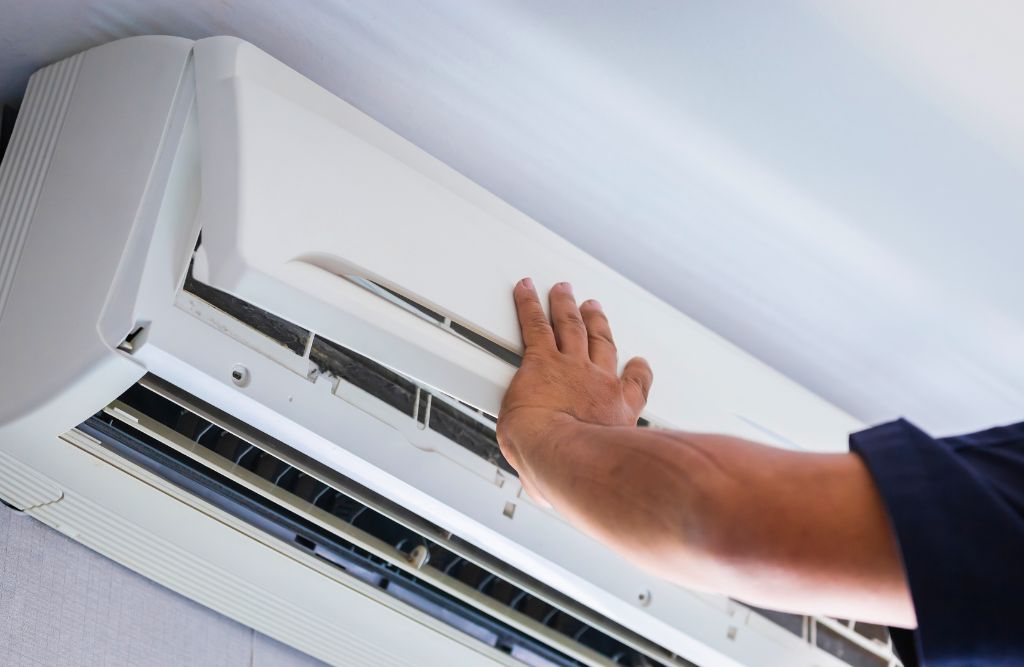
Split systems are Australia’s most popular choice for good reason. They consist of an indoor unit mounted on your wall and an outdoor compressor. These units are perfect for cooling individual rooms and offer excellent energy efficiency. Plus, they’re relatively affordable to purchase and install.
Ducted Air Conditioning Systems
Ducted systems are the go-to option for whole-home cooling. They use a central unit (usually installed in your roof space) that distributes cool air through ducts and vents throughout your home. While they’re more expensive upfront, they offer a sleek, unobtrusive look and consistent temperatures across every room.
Multi-Split Systems, Portable Units, and Window Air Conditioners
Multi-split systems connect multiple indoor units to a single outdoor compressor ideal if you want to cool several rooms without installing multiple outdoor units. Portable air conditioners offer flexibility and require no permanent installation, making them great for renters. Window units, while less common these days, remain a budget-friendly option for small spaces.
What Size Air Conditioner Do I Need for My Room?
Getting the size right is absolutely crucial. Too small, and your unit will struggle to cool the space. Too large, and you’ll waste energy and money.
Calculating Room Size and Cooling Capacity
A general rule of thumb is that you need roughly 120-150 watts of cooling capacity per square metre. So, for a 20-square-metre bedroom, you’d need approximately 2.4 to 3 kilowatts of cooling power. However, this is just a starting point.
Understanding BTU and Kilowatt Ratings
You’ll often see air conditioner capacity listed in BTUs (British Thermal Units) or kilowatts. One kilowatt equals roughly 3,412 BTUs. Most Australian retailers use kilowatts, making comparisons easier. Always check both the cooling and heating capacity if you’re considering a reverse cycle unit.
Factors That Affect Sizing Requirements
Several factors influence what size you actually need:
– Ceiling height (higher ceilings require more power)
– Window size and orientation
– Insulation quality
– Number of occupants
– Heat-generating appliances
A room with large west-facing windows will need a more powerful unit than an identical room facing south. When in doubt, consult a professional for an accurate assessment.
Which Type of Air Conditioner Is Best for Home Use?
The best system for your home depends entirely on your living situation and cooling needs.
Best Options for Apartments and Units
For apartments, split systems are typically your best bet. They’re efficient, quiet, and don’t require extensive installation work. If you’re renting and can’t make permanent modifications, a portable unit might be your only option just be aware they’re generally less efficient.
Ideal Systems for Larger Homes
If you’ve got a larger home with multiple rooms to cool, ducted air conditioning offers the most convenient solution. You can control temperatures throughout your entire home from a single thermostat, and zone control features let you cool only the rooms you’re using.
Cooling Solutions for Open-Plan Living
Open-plan areas present unique challenges. A single high-capacity split system can work well, but for very large spaces, ducted systems or strategically placed multi-split units often deliver better results. Consider airflow patterns and where people actually spend their time.
How Much Does It Cost to Install Air Conditioning?
Let’s talk money because understanding the true costs helps you budget properly.
Upfront Purchase and Installation Costs
A quality split system typically costs between $600 and $2,500 for the unit alone, depending on capacity and brand. Installation adds another $600 to $1,500. Ducted systems are significantly pricier, with complete installations ranging from $10,000 to $20,000 or more for larger homes.
Long-Term Running Costs to Consider
Don’t forget ongoing expenses. Energy costs vary based on your system’s efficiency, how often you use it, and your electricity rates. A highly efficient unit might cost more upfront but save you hundreds annually on power bills. Factor in maintenance costs too regular servicing keeps your system running efficiently and extends its lifespan.
Is Ducted or Split System Air Conditioning Better?
This is one of the most common questions, and the answer depends on your priorities.
Comparing Efficiency and Performance
Modern split systems are incredibly efficient for single-room cooling. Ducted systems have improved dramatically but still use more energy overall since they’re designed for larger areas. However, ducted systems with zone control can be surprisingly economical if you only cool occupied rooms.
Which Offers Better Value for Money?
For smaller homes or apartments, split systems offer better value. You get excellent cooling without the substantial upfront investment. For larger homes where you’d need multiple split systems anyway, ducted air conditioning often makes more financial sense in the long run plus you get the aesthetic benefit of hidden vents rather than wall-mounted units.
Key Features to Look for When Buying an Air Conditioner
Not all air conditioners are created equal. Here’s what actually matters.
Energy Efficiency Ratings and Inverter Technology
Always check the energy star rating more stars mean lower running costs. Inverter technology is another must-have feature. Unlike older units that constantly switch on and off, inverter air conditioners adjust their speed to maintain your desired temperature, using less energy and creating fewer temperature fluctuations.
Smart Controls and Quiet Operation
Wi-Fi connectivity lets you control your air conditioner from your smartphone incredibly handy for pre-cooling your home before you arrive. Noise levels matter too, especially for bedrooms. Look for units with a quiet mode or those rated below 40 decibels for peaceful sleeping.
Climate Considerations for Australian Homes
Australia’s diverse climate means different regions have different needs.
Best Systems for Hot, Humid Climates
If you live in Queensland or the Northern Territory, prioritise systems with strong dehumidification capabilities. High humidity makes heat feel worse, and a good air conditioner should tackle both temperature and moisture levels.
Reverse Cycle Options for Year-Round Comfort
For southern states where winters can get chilly, reverse cycle air conditioning is brilliant value. These systems both cool and heat, eliminating the need for separate heating solutions. They’re also more energy-efficient than most dedicated heaters.
Top Air Conditioning Brands Worth Considering
Quality brands include Daikin, Mitsubishi Electric, Fujitsu, and Panasonic all offering reliable performance and good warranty support. Australian-designed Actron Air is another solid choice, particularly for ducted systems. While budget brands might seem tempting, investing in quality typically pays off through better efficiency and longevity.
Common Mistakes to Avoid When Choosing an Air Conditioner
Steer clear of these pitfalls:
– Choosing based on price alone without considering efficiency
– Buying the wrong size (usually too small)
– Ignoring installation quality always use licensed professionals
– Forgetting to factor in running costs
– Skipping regular maintenance
Making Your Final Decision
Choosing the right air conditioning system comes down to understanding your specific needs, budget, and home layout. Split systems work wonderfully for individual rooms and smaller spaces, while ducted systems shine in larger homes where whole-home comfort is the priority.
Remember to consider not just the purchase price but the total cost of ownership, including installation and energy bills. Invest in quality brands with good efficiency ratings, and don’t underestimate the value of features like inverter technology and smart controls. Getting the size right is non-negotiable when in doubt, get a professional assessment.
Take your time with this decision. A good air conditioning system will serve you well for 15 to 20 years, so it’s worth doing your homework now. Chat with licensed installers, compare quotes, and don’t be afraid to ask questions. Your future self-sitting comfortably in a perfectly cooled home will thank you for it.