

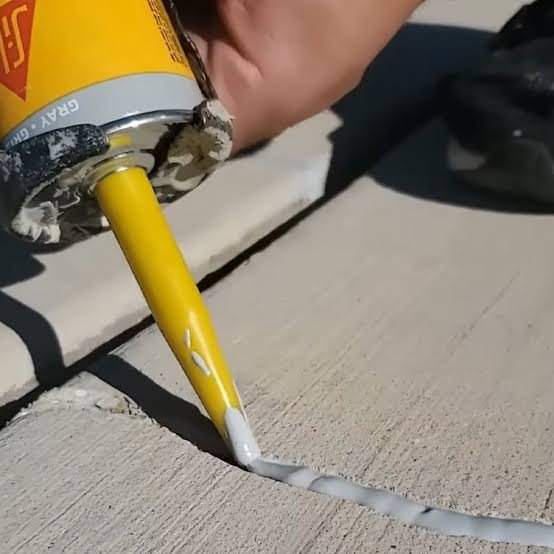
Cracks in concrete, asphalt and other paved surfaces may seem like minor issues at first, but they can gradually lead to more significant problems if left untreated. Changes in temperature, moisture, heavy traffic and natural ground movement can all contribute to surface deterioration. For homeowners, commercial property managers and business owners, maintaining these surfaces is an important part of protecting their investment.
Professional crack sealing Melbourne services offer a practical way to address suitable cracks before they develop into more extensive damage. By identifying vulnerable areas and applying appropriate sealing materials, property owners can improve surface durability, reduce water penetration and extend the useful life of their pavement.
Understanding Why Cracks Develop
Cracks can appear in a variety of outdoor surfaces for several reasons. Concrete may crack as it cures, while asphalt can deteriorate because of ageing, repeated vehicle movements and exposure to changing weather conditions. Ground settlement and poor drainage may also contribute to the problem.
Melbourne experiences a range of weather conditions throughout the year. Warm days, cool nights and periods of heavy rainfall can place stress on paved areas. As materials expand and contract, existing cracks may become wider or allow moisture to enter the underlying layers.
In areas with regular vehicle or pedestrian traffic, even small defects deserve attention. Early assessment helps determine whether sealing is appropriate or whether a more extensive repair is necessary.
What Is Crack Sealing?
Crack sealing is a maintenance process that involves filling suitable cracks with a specialised sealant. The material helps create a barrier against water, dirt and other substances that may enter the opening and contribute to further deterioration.
The exact method depends on the surface type, crack dimensions and condition of the surrounding material. Flexible sealants are often used where some movement is expected, while other repair products may be more suitable for specific concrete or masonry applications.
It is important to understand that sealing does not solve every underlying problem. Structural movement, severe settlement and extensive surface failure may require additional investigation or a different repair method. A professional assessment can help establish the most suitable approach.
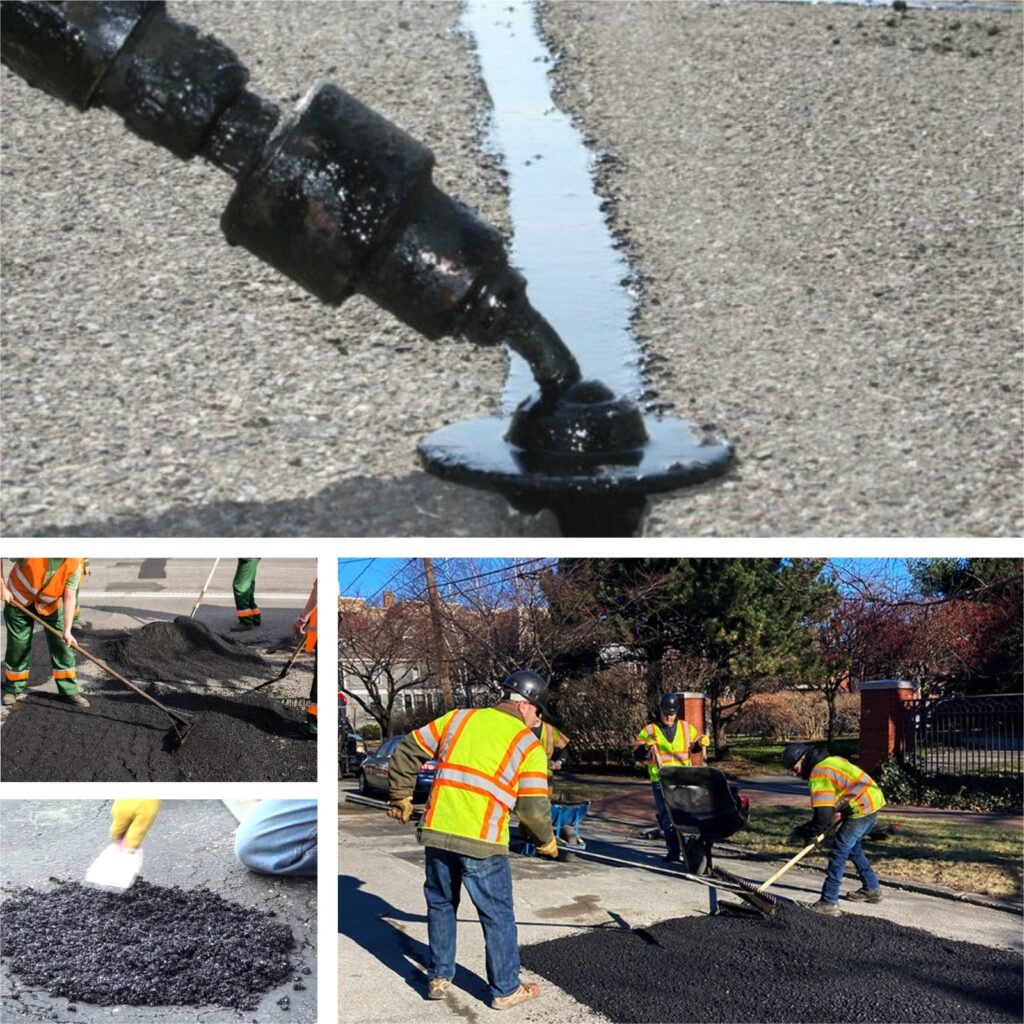
Benefits of Timely Crack Repairs
One of the main advantages of early intervention is the opportunity to limit further deterioration. When water enters pavement cracks, it can weaken supporting layers and contribute to additional damage. Sealing suitable openings helps reduce this risk.
Another benefit is improved surface maintenance. Cracks can collect dirt, debris and moisture, making paved areas harder to keep clean. Addressing these defects can help maintain a neater appearance around homes, commercial premises and industrial properties.
Timely repairs may also reduce the need for more disruptive maintenance later. Although no sealing treatment can guarantee that cracks will never return, appropriate maintenance can help extend the service life of suitable surfaces.
For businesses, well-maintained driveways, loading zones and car parks can also support a more professional appearance and help reduce avoidable surface hazards.
Where Crack Sealing Can Be Used
Different properties have different maintenance requirements, and the appropriate repair method depends on the material and the condition of the damaged area.
Driveways and residential paths: Cracks in driveways and walkways can become more noticeable over time. Sealing suitable defects helps protect the surface and maintain the appearance of outdoor spaces.
Commercial car parks: Parking areas experience frequent vehicle movements and regular exposure to rain and sunlight. Routine inspections can help identify cracks before they spread across larger sections of pavement.
Industrial yards: Warehouses, distribution centres and industrial facilities often rely on durable paved areas for vehicle access and daily operations. Prompt maintenance can help reduce deterioration in suitable areas.
Roads and accessways: Cracks in asphalt roads and private accessways may allow water to enter the pavement structure. Appropriate sealing can form part of a broader pavement maintenance program.
Each application requires careful consideration of the surface material, traffic levels and extent of damage.
The Importance of Professional Preparation
Effective repairs begin with proper preparation. Before applying a sealant, the damaged area should be inspected to determine the cause and severity of the crack. Loose material, dust, moisture and other contaminants may need to be removed so the repair product can bond correctly.
Depending on the repair system, the crack may require specific preparation or treatment before the sealant is applied. The chosen product must also be compatible with the existing surface and suitable for the expected conditions.
Weather is another important consideration. Rain, excessive moisture and unsuitable temperatures can affect application and curing. Following the manufacturer’s instructions helps support better results.
Experienced contractors can assess these factors and recommend a suitable repair process rather than applying the same solution to every crack.
Choosing a Crack Sealing Service in Melbourne
When comparing contractors, look for experience with the relevant surface type and a clear explanation of the proposed work. A reliable provider should assess the condition of the pavement, discuss suitable repair options and explain any limitations.
It is also worth asking about the materials being used, preparation requirements and expected maintenance needs. Transparent quotations and realistic recommendations can help property owners make informed decisions.
Avoid choosing a service based on price alone. A low-cost repair may not provide good value if the underlying cause remains unresolved or the material is unsuitable for the application.
Maintaining Surfaces After Repairs
Regular inspections can help identify new cracks and changes in previously repaired areas. Property owners should pay particular attention to locations where water collects, vehicles turn frequently or heavy loads place additional stress on the pavement.
Keeping drainage systems clear and addressing water-related issues can also support surface longevity. Where cracks reappear, investigate the cause instead of repeatedly applying sealant without reviewing the condition of the pavement.
Maintenance requirements will vary depending on traffic, weather exposure, materials and the quality of the original installation.
Conclusion
Crack sealing is a valuable maintenance option for suitable concrete and asphalt surfaces across Melbourne. By identifying cracks early, selecting compatible materials and following the correct preparation process, property owners can help limit moisture penetration and reduce avoidable deterioration.
Whether maintaining a residential driveway, a commercial car park or an industrial accessway, a proactive approach can help preserve the surface and manage long-term maintenance costs. Professional assessment ensures that each crack receives the right treatment, supporting safer, cleaner and more durable paved areas.