

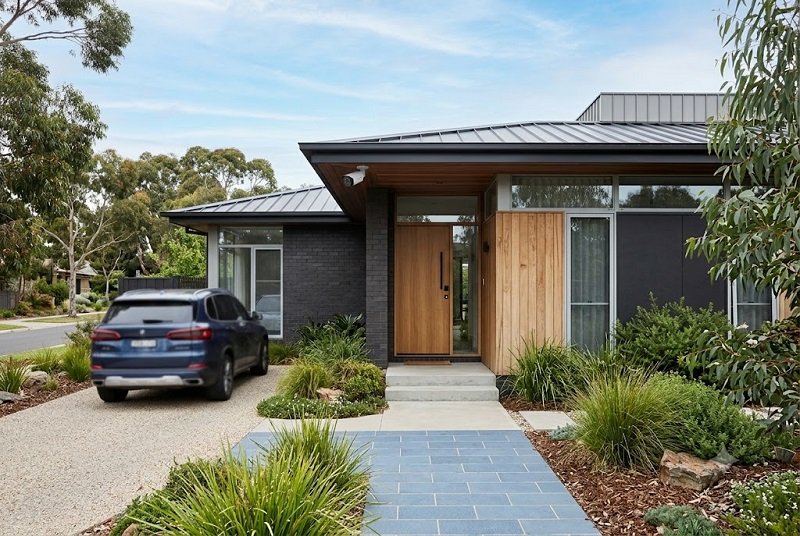
Have you ever wondered whether your home or business is truly protected? What would happen if someone tried to break in while you were away? And more importantly, could you identify them afterwards?
These questions keep many Australian property owners up at night. The good news is that a well-planned CCTV system can provide genuine peace of mind and act as a powerful deterrent against would-be intruders. Whether you’re protecting your family home in suburban Melbourne or securing a commercial premises in Brisbane, getting your security setup right from the start makes all the difference.
In this guide, we’ll walk you through everything you need to know about planning a CCTV installation. From understanding your specific security needs to choosing the right cameras, finding optimal placement spots, and navigating Australian privacy laws—we’ve got you covered. You’ll also learn about the costs involved, features worth investing in, and common mistakes to avoid. By the end, you’ll have a clear roadmap for creating a security system that actually works for your property.
Understanding Your Security Needs
Before you start browsing cameras online, take a step back and assess what you’re actually trying to protect. Every property has different vulnerabilities, and recognising yours is the first step toward effective security.
Assessing Your Property’s Vulnerabilities
Walk around your property with fresh eyes. Look for easy access points, dark corners, and areas hidden from street view. Side gates, back gardens, and garage entries are often overlooked but frequently targeted by intruders. Consider what assets you’re protecting too—is it expensive equipment, vehicles, or simply your family’s safety?
Common Security Risks in Australia
Australian homes and businesses face various threats. Opportunistic burglaries remain common, particularly in areas with easy escape routes. Package theft from doorsteps has increased with online shopping’s popularity. For commercial properties, vandalism, break-ins after hours, and internal theft are significant concerns.
Residential vs Commercial Requirements
Home security typically focuses on entry points and family areas. Commercial properties often need more extensive coverage, including loading docks, stockrooms, and cash handling zones. Businesses may also require higher-resolution footage for identifying incidents and may need to retain recordings for longer periods.
How Much Does It Cost to Install a CCTV System?
Let’s talk money—because budgeting properly ensures you get the protection you need without unnecessary expenses.
Factors That Affect Installation Prices
Several elements influence your total cost. Camera quality and quantity play the biggest role, with basic systems starting around $500-800 and comprehensive setups reaching $3,000 or more. The complexity of installation matters too—running cables through established buildings costs more than new constructions. Additional features like night vision, remote viewing capabilities, and professional monitoring add to the price.
DIY vs Professional Installation
Going the DIY route saves on labour costs, and wireless systems make self-installation more achievable than ever. However, professional installers bring expertise in optimal camera placement, proper wiring, and system configuration. They also typically provide warranties and ongoing support. For complex setups or commercial properties, professional installation is usually worth the investment.
Ongoing Maintenance Costs
Don’t forget the long-term expenses. Cloud storage subscriptions, software updates, and occasional repairs should factor into your budget. Quality systems require less maintenance, so investing upfront often saves money over time.
Choosing the Right CCTV Cameras for Your Property
With countless options available, selecting the right cameras can feel overwhelming. Here’s what you need to know.
What Type of Camera Works Best?
For most Australian homes, a combination of camera types provides the best coverage. Dome cameras work brilliantly for indoor areas and covered outdoor spaces—their design makes it difficult for intruders to tell which direction they’re pointing. Bullet cameras excel at monitoring specific outdoor areas like driveways and back gardens, offering excellent range and visibility.
Understanding Different Camera Types
PTZ (pan-tilt-zoom) cameras offer flexibility for large areas, allowing remote control of the viewing angle. Wireless cameras simplify installation but may face connectivity issues over long distances. Wired systems provide more reliable connections but require more complex installation.
How Many Cameras Do You Need?
A typical Australian home benefits from 4-8 cameras covering all entry points, the driveway, and key outdoor areas. Larger properties or those with valuable assets may need more. Commercial premises often require 8-16 cameras or more, depending on size and layout.
Where Should CCTV Cameras Be Placed?
Strategic placement maximises your system’s effectiveness. Get this wrong, and you’ll have blind spots that compromise your security.
Strategic Placement for Maximum Coverage
Focus first on entry points—front door, back door, and garage. These are where most break-ins occur. Position cameras 2.5-3 metres high to capture faces while remaining difficult to tamper with. Ensure cameras have overlapping fields of view to eliminate blind spots.
Covering Essential Areas
Your driveway needs monitoring, as it’s often where vehicles and packages are targeted. Side gates and back gardens require attention too. Inside, consider hallways and rooms containing valuables. For businesses, cover tills, stock areas, and all exits.
Common Placement Mistakes
Avoid pointing cameras directly at light sources—this creates glare and poor footage. Don’t mount cameras too high, or you’ll only capture the tops of heads. Ensure cameras are weather-protected if mounted outdoors, and avoid positions where they can be easily reached and disabled.
CCTV Features Worth Investing In
Modern cameras offer impressive features. Some are essential; others are nice to have. Here’s what matters most.
Night Vision and Low-Light Performance
Most incidents occur after dark, making night vision capability non-negotiable. Look for cameras with infrared LEDs and a range of at least 20-30 metres. Some premium models offer colour night vision, which provides clearer identification.
Motion Detection and Smart Alerts
Smart motion detection reduces false alarms from passing cars or animals while alerting you to genuine concerns. AI-powered systems can distinguish between people, vehicles, and animals, sending relevant notifications to your phone.
Remote Viewing and Storage Options
Mobile app integration lets you check your cameras from anywhere. Cloud storage offers convenience and off-site backup, but comes with monthly fees. Local storage using an NVR (network video recorder) avoids ongoing costs but risks losing footage if the device is stolen or damaged. Many property owners use both for complete protection.
Australian Privacy Laws and CCTV Regulations
Installing CCTV comes with legal responsibilities. Understanding these protects you from potential issues.
Do You Need Council Approval?
Generally, you don’t need council approval for residential CCTV installations on your own property. However, cameras must not record neighbouring properties without consent. Commercial installations may require different considerations depending on your local council.
Recording Audio Considerations
This is crucial—recording audio without consent is illegal in most Australian states. Many property owners disable audio recording entirely to avoid potential legal complications. If you need audio, clearly displayed signs informing visitors of recording are essential.
Notifying Others
While not always legally required, it’s good practice to inform neighbours about your CCTV system, particularly if cameras might capture parts of their property. Clearly visible signage warning of CCTV monitoring is recommended for all properties and legally required in many commercial settings.
Planning Your Installation Step-by-Step
A methodical approach ensures your installation goes smoothly.
Conducting a Site Survey
Before purchasing anything, thoroughly survey your property. Note all areas requiring coverage, potential mounting locations, and any obstacles. Consider cable routes if using wired cameras, and check power outlet locations.
Creating Your System Layout
Sketch a simple floor plan showing camera positions and their coverage areas. This helps identify gaps and ensures you purchase the right number of cameras. Factor in your recorder location and any integration with existing alarm systems.
Wiring and Power Considerations
Wired systems need cable runs planned carefully to avoid visible wiring. PoE (Power over Ethernet) systems simplify installation by carrying data and power through a single cable. Wireless cameras need reliable Wi-Fi coverage throughout your property.
Hiring a Professional CCTV Installer
When it’s time to bring in the experts, knowing what to look for saves headaches later.
What to Look for in an Installer
Choose licensed security installers with proven experience in your property type. Check reviews and ask for references. Ensure they offer warranties on both equipment and workmanship. A good installer will conduct a thorough site assessment before quoting.
Questions to Ask
Before signing anything, ask about their licensing, insurance coverage, and after-sales support. Enquire about their recommended equipment and why they suggest it. Clarify what’s included in the price—installation, configuration, and training on using the system.
Conclusion: Taking the Next Steps Towards a Safer Property
Planning a CCTV system doesn’t have to be complicated. Start by understanding your property’s vulnerabilities, then choose cameras that match your needs and budget. Strategic placement, quality equipment, and compliance with Australian privacy laws create a security system you can rely on.
Whether you’re protecting your family home or business premises, investing in proper security delivers genuine peace of mind. If you’re looking for local professional support, explore CCTV installation in Wonthaggi to learn more about security solutions suited to your property’s requirements..
Ready to take action? Begin with that site survey we discussed. Walk your property, identify your priorities, and start researching systems that fit your requirements. Whether you go DIY or hire professionals, you now have the knowledge to make informed decisions. Your safer property starts today.
For more information, visit Vowinterior.com