

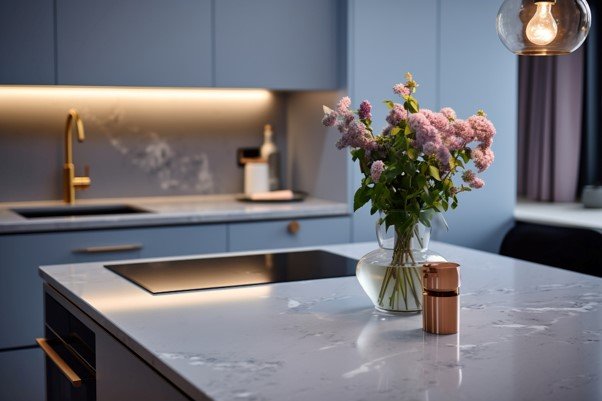
Have you recently installed stunning marble kitchen countertops and wondered how to keep them looking pristine? Are you worried about those dreaded stains from your morning coffee or that glass of red wine? Perhaps you’re questioning whether marble is worth the extra care compared to other benchtop materials?
You’re certainly not alone. Marble has graced kitchens across Australia for decades, beloved for its timeless elegance and unique veining patterns. However, this natural stone does require a bit more attention than some alternatives. The good news? With the right knowledge and care routine, your marble countertops can remain beautiful for generations.
In this guide, we’ll walk you through everything you need to know about maintaining your marble kitchen countertops. From daily cleaning routines to sealing schedules, stain prevention to damage repair, you’ll discover practical tips that protect your investment. Whether you’ve just had marble installed or you’re considering it for your kitchen renovation, this article will give you the confidence to care for this gorgeous natural stone properly.
Understanding Your Marble Countertops
What Makes Marble Different from Other Stone Benchtops?
Marble stands apart from granite, quartz, and engineered stone in several key ways. It’s a metamorphic rock formed from limestone under intense heat and pressure, which creates those gorgeous swirling patterns we all love. This geological process also makes marble softer and more porous than granite.
Unlike engineered stone, marble is completely natural. Each slab is unique, with its own character and veining. This means no two marble benchtops are identical, giving your kitchen a truly one-of-a-kind look.
Common Types of Marble Used in Australian Kitchens
Carrara marble remains the most popular choice in Australian homes, featuring soft grey veining on a white background. Calacatta is another favourite, known for its bolder, more dramatic veins. For something warmer, many homeowners opt for Emperador marble with its rich brown tones.
Why Is Marble So Porous and What Does That Mean for Care?
Marble’s porosity is simply part of its natural makeup. Those tiny pores can absorb liquids if spills aren’t wiped up promptly. This characteristic means acidic substances like lemon juice or vinegar can etch the surface, leaving dull marks. Understanding this helps you approach marble care with realistic expectations.
Daily Cleaning Routine for Marble Countertops
What Is the Best Way to Clean Marble Countertops?
Keeping your marble spotless doesn’t require fancy products or complicated techniques. A simple mixture of warm water and a few drops of pH-neutral dish soap works brilliantly. Use a soft microfibre cloth to wipe down surfaces, then dry thoroughly with a clean towel.
Avoid letting water sit on the surface, as even water can leave marks over time. Quick daily wipe-downs after cooking prevent buildup and keep your marble gleaming.
Products to Use (and Avoid) on Marble Surfaces
Stick with pH-neutral cleaners specifically designed for natural stone. Many Australian hardware stores stock marble-safe cleaning solutions. Stay well away from anything acidic, abrasive, or containing harsh chemicals.
Safe options include:
– pH-neutral stone cleaners
– Mild dish soap diluted in water
– Specialty marble polishes
Products to avoid:
– Vinegar or citrus-based cleaners
– Bleach and ammonia
– Abrasive scrubbing pads
– Generic bathroom or kitchen sprays
How Often Should You Clean Marble Benchtops?
Wipe your marble countertops daily with a damp cloth. Give them a proper clean with stone-safe soap weekly. This simple routine prevents grime buildup and keeps your benchtops looking fresh without being overwhelming.
Protecting Your Marble from Stains and Etching
Can You Put Hot Pans on Marble Countertops?
While marble handles heat reasonably well, placing hot pans directly on the surface isn’t recommended. Thermal shock can cause cracking, and extreme heat may discolour the stone. Always use trivets or heat pads to be safe. It’s a small habit that prevents potentially costly damage.
How to Prevent Stains from Wine, Coffee, and Citrus
Prevention truly is better than cure with marble. Use coasters under glasses and placemats when eating at your kitchen island. Wipe up spills immediately, especially from red wine, coffee, tomato sauce, and citrus fruits.
Consider keeping a dedicated cloth near your benchtop for quick cleanups. The faster you act, the less likely a stain will penetrate the stone’s surface.
Does Marble Stain Easily and How Can You Minimise Risk?
Yes, marble can stain if liquids are left sitting on it. However, properly sealed marble is much more resistant. Combine regular sealing with prompt spill cleanup, and you’ll significantly reduce staining risks. Many homeowners find marble more manageable than its reputation suggests once they establish good habits.
Sealing Marble Countertops: Essential Maintenance
Do Marble Countertops Need to Be Sealed?
Absolutely. Sealing creates a protective barrier that prevents liquids from penetrating the stone. Think of it as sunscreen for your marble. Without it, your countertops are far more vulnerable to staining and damage.
How Often Should You Seal Marble Benchtops?
Most professionals recommend sealing marble every six to twelve months. However, high-traffic kitchens may need more frequent sealing. Here’s a simple test: drop a few water droplets on your benchtop. If they bead up, your seal is intact. If they soak in, it’s time to reseal.
Step-by-Step Guide to Sealing Marble at Home
Sealing marble yourself is straightforward:
- Clean the surface thoroughly and let it dry completely
- Apply the stone sealer evenly using a soft cloth
- Allow it to penetrate for the time specified on the product
- Buff away any excess with a clean, dry cloth
- Wait 24 hours before heavy use
Quality stone sealers are readily available at Bunnings or specialty stone suppliers across Australia.
Dealing with Damage: Scratches, Chips, and Etching
How Do You Remove Stains from Marble Countertops?
For organic stains from coffee or wine, create a poultice using baking soda and water. Apply the paste to the stain, cover with plastic wrap, and leave overnight. Gently wipe away in the morning and rinse. This method draws the stain out of the stone.
Can Scratched or Etched Marble Be Repaired?
Light scratches and etching can often be buffed out with marble polishing powder. For deeper damage, professional restoration may be necessary. The beauty of marble is that it can be refinished multiple times throughout its lifetime.
When to Call a Professional Stone Restoration Specialist
If you’re dealing with deep scratches, significant chips, or widespread etching, it’s worth consulting a professional. Australian stone restoration specialists can hone and polish marble back to its original glory. For major damage, attempting DIY repairs could make things worse.
Long-Term Marble Countertop Maintenance Tips
How Long Do Marble Countertops Last with Proper Care?
With consistent maintenance, marble countertops can last a lifetime and beyond. Many heritage homes feature original marble that’s over a century old. Your investment genuinely can become a lasting feature in your home.
Is Marble High Maintenance Compared to Engineered Stone?
Marble does require more attention than engineered alternatives. However, many homeowners find the maintenance routine becomes second nature quickly. The aesthetic payoff and unique character of natural marble make the extra effort worthwhile for those who appreciate its beauty.
Marble Countertop Care Mistakes to Avoid
Common Cleaning Errors That Damage Marble
Using generic kitchen cleaners tops the list of marble mistakes. Scrubbing with abrasive materials, neglecting to dry surfaces, and ignoring spills also cause unnecessary damage. Take your time, use appropriate products, and your marble will reward you.
Why Vinegar and Lemon Juice Are Your Marble’s Worst Enemy
These acidic substances react chemically with marble’s calcium carbonate, causing etching. Even brief contact can leave permanent dull spots. Keep these away from your countertops entirely, regardless of what natural cleaning blogs might suggest.
Are Marble Countertops Worth It?
Despite the maintenance requirements, marble offers unmatched elegance and character. It adds significant value to your home and creates a sophisticated kitchen atmosphere. For those willing to invest a little extra care, the rewards are substantial.
Enjoying Your Marble Kitchen Countertops for Years to Come
Caring for marble kitchen countertops isn’t as daunting as it might initially seem. With daily cleaning using gentle, pH-neutral products, regular sealing, and prompt attention to spills, you’ll keep your benchtops looking spectacular. Remember to avoid acidic substances and always use protection under hot pans.
The key takeaway? Marble thrives on consistent, thoughtful care rather than occasional intensive maintenance. By building simple habits into your daily routine, you’ll protect your investment without feeling burdened by upkeep.
Your marble countertops represent both a financial investment and a design choice that elevates your entire kitchen. Treat them with respect, and they’ll continue bringing beauty and elegance to your home for decades. Now that you’re armed with this knowledge, go enjoy your gorgeous marble kitchen with confidence!