

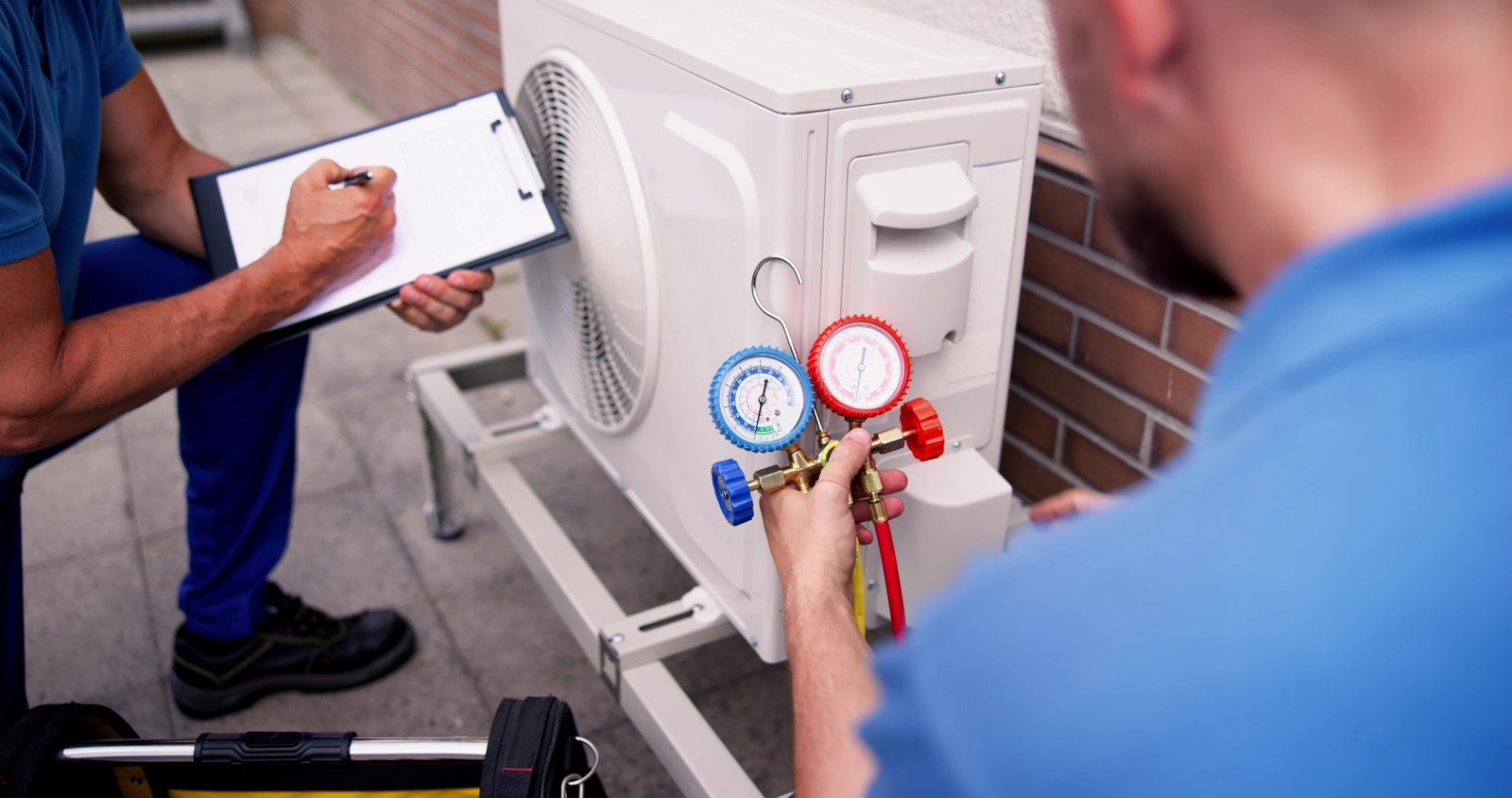
A wet spot under the AC closet door is easy to wipe up and forget. So is a buzz that stops before you can tell where it came from. In Pembroke Pines and Miramar, spring gives you a chance to catch these changes before the system has to run through the hottest stretch of the year. Pay attention when a symptom returns or when you notice two together, such as weak airflow followed by water near the indoor unit.
If you’re searching for ac repair pembroke pines, write down what made you look for help. “The living room keeps warming up around 4 p.m. even though the AC keeps running” gives a technician more to go on than “the AC is weak.” Include which rooms are affected and whether you recently changed the filter or thermostat schedule.
Start with what you can observe from the thermostat, the vents, or the floor around the indoor unit. If you see ice, water collecting around the air handler, or smell electrical burning, turn the system off if you can do so safely and call for service. The signs below explain what those symptoms can mean and what details are worth passing along.
1. The AC Runs Longer and Still Falls Behind
On a hot afternoon, a long cooling cycle can be normal, particularly with a variable-capacity system running at low output. Pay attention when the house stays warmer than the thermostat setting on days when the system used to keep up. For example, a room with afternoon sun may have always warmed up a little. If the hallway and other rooms now warm up too, describe that change when you schedule service.
Use ac repair miramar to look up local service. When you call, tell the technician whether the air from the vents feels warm or feels cool but comes out slowly. Those two details help narrow the first checks. A blower or filter issue can slow the air at the vents, while a problem with the outdoor unit or refrigerant system can affect how much heat the system removes. Give the technician the indoor temperature and thermostat setting when you noticed the issue.
2. Air Barely Comes Out of Some Vents
Hold your hand near a few supply vents while the AC is cooling and compare the airflow with what you normally feel. Start with the rooms that have become uncomfortable. If one vent is weak while the rest feel normal, look for furniture blocking it or a register someone closed. If several have weakened at the same time, check the filter if it’s easy to access and replace it if it’s dirty, using the size and type specified for your unit.
If the airflow stays weak after those checks, ask a technician to look at the blower, indoor coil, and ducts. Let them know if a bedroom only gets stuffy when the door is closed. That can help them check whether air has a clear path back to the return. Even if the thermostat in the hall reads normally, air distribution can still be a problem in the rooms you use most.
3. The System Starts and Stops Every Few Minutes
You hear the outdoor unit start, stop a few minutes later, and start again while the house still feels warm. This pattern is called short cycling. A single short run when the room is already near the set temperature can happen during normal operation. A repeated pattern while the thermostat is still calling for cooling warrants a service visit.
If you can observe it safely, note approximately how long the system stays on and whether the sound comes from indoors or outside. Mention when it first started. A system that always cycled quickly after an installation gives the technician a different starting point from one that ran normally for years and suddenly changed. Thermostat issues, restricted airflow, and equipment faults are among the possible causes.
4. The House Feels Damp at the Usual Temperature
You walk into a house set to the same temperature as last spring, but it feels clammy. A rainy afternoon, open doors, a long shower, or a busy kitchen can temporarily raise indoor humidity. If several rooms keep feeling damp even with the house closed and the AC cooling, note when that happens and whether it coincides with shorter cooling cycles.
If you have a humidity gauge, take a few readings in the affected rooms at different times and keep it away from a supply vent. Tell the technician whether the damp feeling is new and whether it affects one room or the whole home. That helps guide checks for system runtime, airflow, or moisture entering the house. A thermostat reading on its own gives the technician only part of the picture.
5. Water Collects Around the Indoor Unit
In cooling mode, the AC pulls water from the air and sends it through a drain. Water dripping from the normal outdoor drain outlet can be expected while the AC runs. A puddle under the indoor unit, a wet closet floor, or a spreading ceiling stain below an attic unit is a different situation. Turn cooling off if you can do so safely and arrange service promptly.
A blocked drain, a problem with the drain pan, or ice melting off a frozen coil can all leave water in the wrong place. Take a picture from a dry, safe spot and tell the technician where you saw water first. If cooling stopped around the same time, mention that too. Some systems have an overflow switch that shuts the unit down when water backs up.
6. You Hear a New Grinding Sound or Smell Burning
A familiar hum at startup is one thing. A new grinding noise, a loud buzz that repeats when the equipment tries to start, or a burning smell deserves attention. If you hear grinding or smell electrical burning, turn the system off if you can do so safely and call for service. Leave the equipment panels closed.
For a noise that comes and goes, note whether it starts when the thermostat calls for cooling or after the system has been running for a while. If you already caught it on your phone, share the recording with the technician. You can also point out whether it sounded louder at the return grille, beside the indoor cabinet, or out by the outdoor unit. Those details are useful if the sound disappears before the appointment.
7. Ice Appears on the Refrigerant Line or Indoor Unit
Ice on the insulated line near the air handler or around the indoor equipment during cooling is a sign to shut the AC off and call for diagnosis. Airflow may feel weaker as the ice builds. Once the system is off and the ice melts, you may see water nearby. Tell the technician if you noticed weak airflow earlier in the day or if the system froze after a recent filter change.
Restricted airflow and refrigerant problems are both possible causes. Leave the ice to melt on its own and keep the cooling off while you wait for advice. A thawed unit can still freeze again if the underlying issue is unresolved. The technician can check what caused it and confirm that the system runs properly after the repair.
What to Tell the Technician Before Summer
For recurring problems such as weak airflow or a temperature that drifts up each afternoon, arrange a visit while the AC is still running. When you call United State Solutions or another local HVAC provider, tell them what changed, where you noticed it, and what the system was doing when it happened. For ice, indoor leaks, or a burning smell, let the dispatcher know that you turned the system off and describe what you saw. That gives the technician a better starting point, especially when the problem comes and goes.