

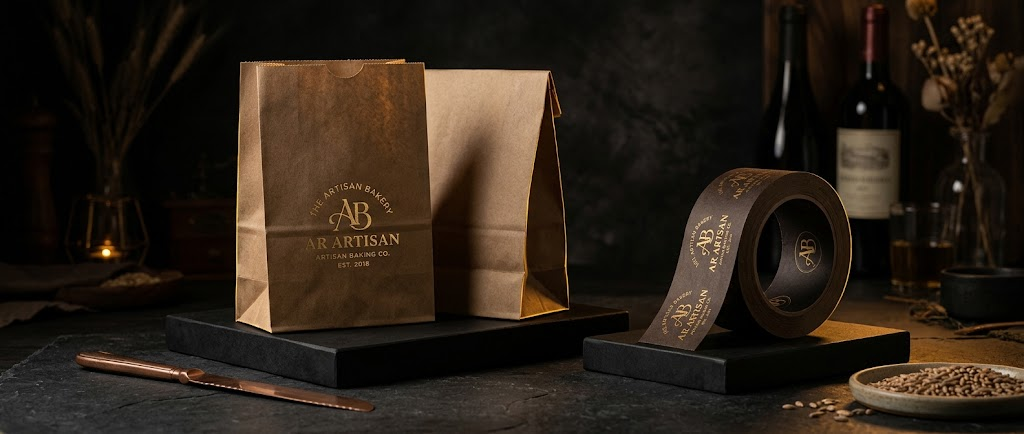
Fresh bread has always been part of daily life, and people often notice the smell and texture long before they think about the package around it. Even so, the way bread is wrapped can change how long it stays fresh and how easy it is to carry home. Bread paper bags have become a common choice because they feel simple and useful without adding extra waste or weight. They suit small baker’s, rice home kits,chens, and busy food shops in many places. Some people like the natural look, while others enjoy the way paper lets bread breathe better than many other materials. Over time, these bags have become part of the baking experience itself.
Clear Front Choice
Many small bakeries enjoy using bread paper bags with a window because customers can quickly see the loaf before buying it. A clear section allows the color of the crust and the shape of the bread to stand out without opening the package. This helps people feel more confident about what they are taking home. Shops that sell fresh products every morning often find this useful because customers can compare different sizes and styles without needing help from staff. It also keeps handling to a minimum, which helps maintain freshness through the day.
Made For Bakers
Different bakeries work in different ways, so bread packaging bags have become a practical option for many businesses. Some bakeries need wider bags while others need taller shapes for long loaves. The right size helps prevent damage during transport and storage. A package that fits properly also makes packing quicker during busy hours. Small details like the fold at the top or the thickness of the paper can make daily work easier. Many bakers prefer simple adjustments instead of changing the bread to fit the package.
Local Factory Work
The process behind bread paper bag manufacturing has changed over the years as equipment and materials have improved. Modern production often focuses on reducing waste while keeping paper strong enough for daily handling. Factories test paper for strength, moisture resistance, and folding quality before sending products to shops and bakeries. The goal is not only appearance but also reliability during transport and storage. A weak bag can tear before reaching the customer, which creates problems for both sellers and buyers. Careful production helps avoid these issues in normal use.
Natural Material Benefits
Many people prefer Kraft bread paper bags because the material feels simple and familiar. The natural color gives a handmade feeling that matches fresh bread quite well. Paper of this type allows some air movement, which can help keep crusty bread from becoming too soft too quickly. It also folds easily and stores without taking up much space in a kitchen or stock room. Since many customers now pay attention to packaging choices, this material has become more common in markets and local shops where appearance still matters.
Large Order Planning
Busy stores often turn to bread paper bags wholesale when they need a steady supply throughout the year. Buying larger amounts helps avoid shortages during holiday periods or busy weekends when bread sales rise sharply. Storage becomes an important part of this process because paper needs to stay dry and clean before use. Shop owners usually balance available space with expected demand to avoid keeping too much stock for long periods. Careful planning makes daily operations smoother and reduces stress during periods of high customer traffic.
Simple Visual Identity
Some bakeries use printed bread paper bags as a quiet way to make their products easier to remember. A simple design or small logo can help customers recognize where the bread came from when they return for another purchase. The printing does not need to be large or colorful to have value. Many people remember familiar patterns and shapes more than detailed artwork. Packaging often travels beyond the bakery itself and can act as a reminder long after the loaf has been eaten at home with family or friends.
Practical Daily Packing
Many small businesses choose custom-printed bread bags when they want a balance between function and appearance. Others prefer custom bread bags that focus only on size and fit without adding extra design elements. Both choices can work well depending on the type of bread being sold and the habits of local customers. A heavy loaf may need thicker paper, while lighter products can use thinner material with equal success. Good packaging often solves problems quietly without drawing attention to itself during daily use.
Keeping Bread Fresh
Some customers enjoy personalized bread bags because they feel more thoughtful during special events or seasonal sales. Others simply need reliable bread packaging bags for regular shopping trips throughout the week. Bakers who prepare rustic products often choose sourdough bread bags that match the texture and shape of these larger loaves. Using Custom Packaging Tape can also help secure the bags while adding a professional touch to the overall presentation. The right package helps protect the crust while allowing some airflow around the bread after baking. Fresh bread changes throughout the day, and good packaging works with that process rather than fighting against it.
Conclusion
People often focus on recipes, ingredients, and baking times, yet the packaging around a loaf plays an important role as well. Bread paper bags support freshness while making storage and transport easier for customers and shop owners alike. Their simple design fits many types of bread and many different selling environments. Some people prefer natural paper while others value visibility or custom sizing. The best choice usually depends on how the bread is baked, sold, a nd enjoyed. In the end, practical packaging quietly supports the work that happens long before the loaf reaches the table.