

Have you ever walked into a stunning Sydney warehouse conversion and wondered how they achieved those gleaming floors? Or perhaps you’re considering polished concrete for your own property but aren’t sure if it’ll stand the test of time? What separates a floor that looks brilliant for decades from one that loses its lustre within a few years?
If you’ve been exploring flooring options for your Sydney home or commercial space, you’ve probably noticed polished concrete popping up everywhere. From trendy Surry Hills cafés to sleek Barangaroo offices, this flooring solution has become the go-to choice for property owners who want style without sacrificing durability. The appeal is clear: a seamless, low-maintenance surface that actually looks better with age.
In this guide, we’ll walk you through everything you need to know about achieving a polished concrete finish that genuinely lasts. You’ll discover the technical processes that make the difference, learn how Sydney’s unique climate affects your floors, and pick up maintenance strategies that’ll keep your concrete looking sharp for years. Plus, we’ll help you avoid the common pitfalls that leave property owners disappointed and out of pocket.
Understanding The Polished Concrete Process
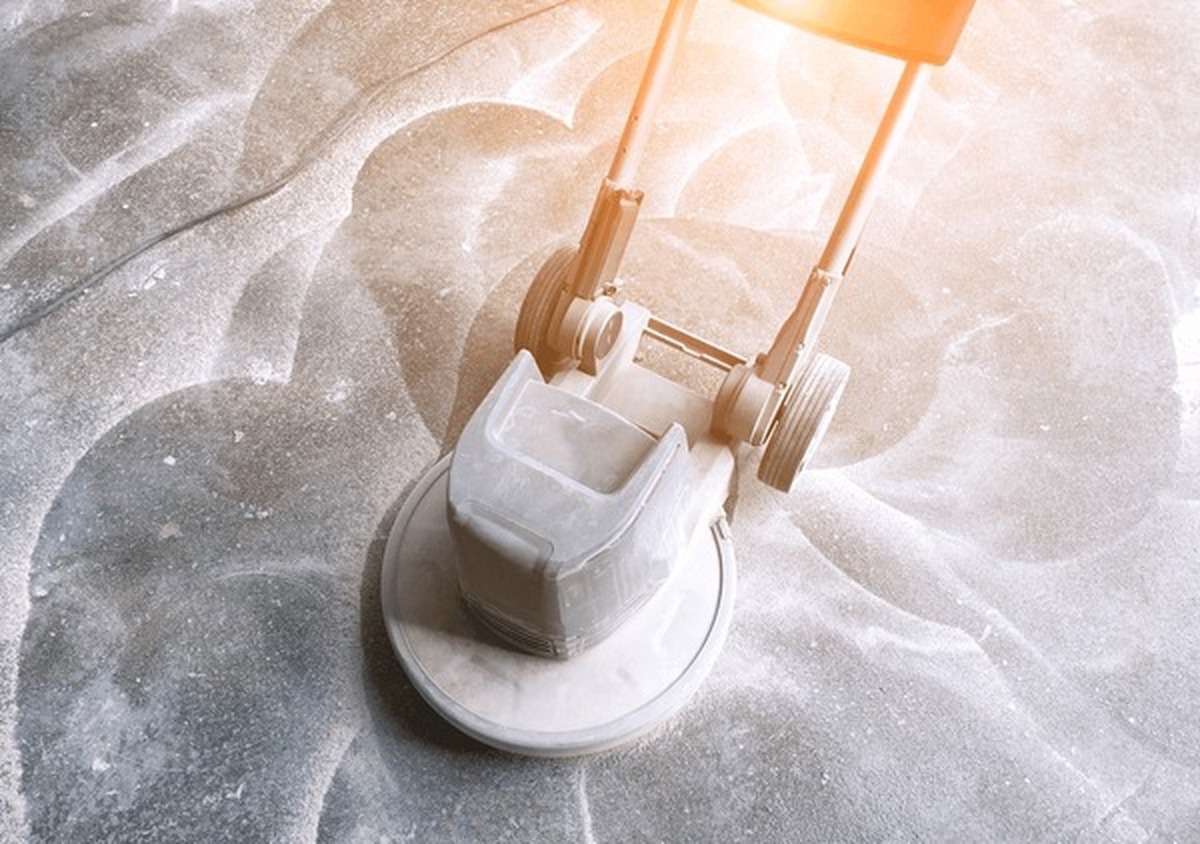
So how exactly is polished concrete made? The process involves grinding down a concrete surface using progressively finer diamond-embedded discs. Think of it like sanding timber, but far more intensive. Starting with coarse grits to level the surface, contractors work their way through to incredibly fine grits that create that characteristic shine.
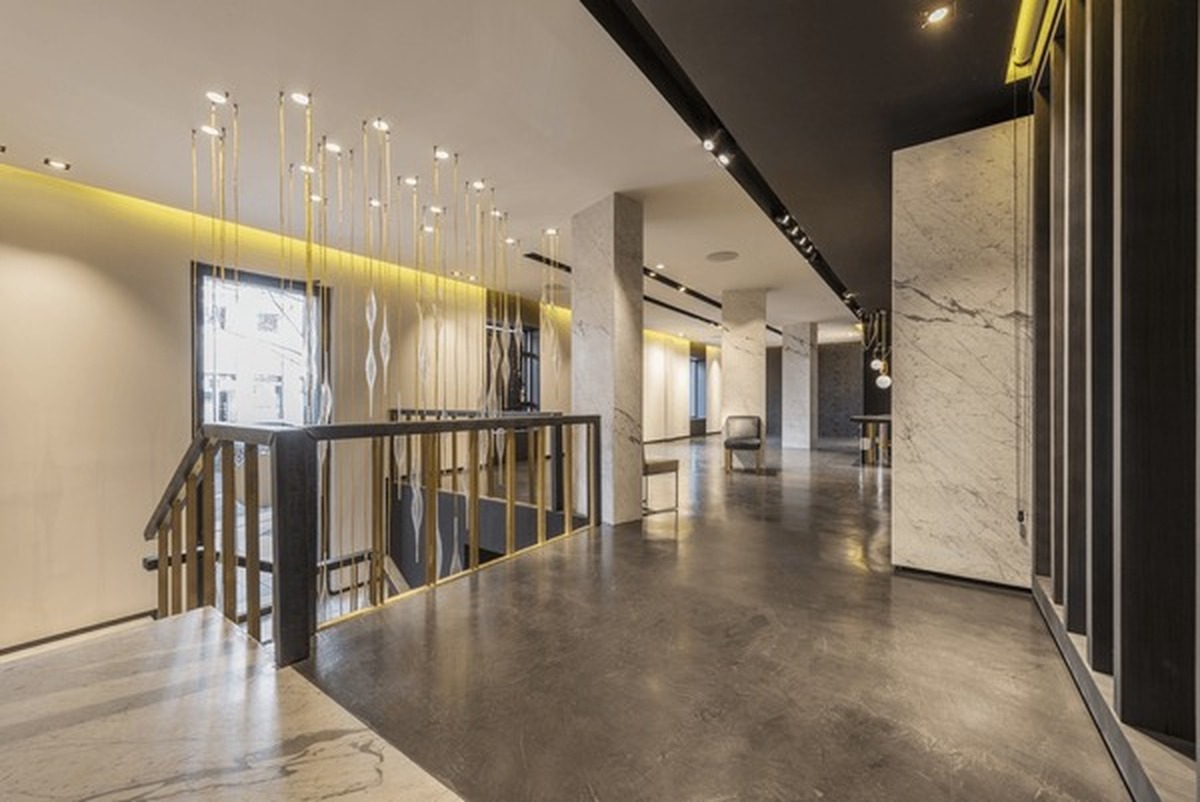
There’s a crucial distinction between mechanical polishing and topical coatings that many property owners miss. Mechanical polishing actually transforms the concrete itself, creating a permanent shine from within the material. Topical coatings, on the other hand, simply add a layer on top that can peel, scratch, or wear away. For long-term results, mechanical polishing wins every time.
Surface preparation forms the foundation of everything. Without proper prep work, even the most skilled polishing technique won’t deliver lasting results. This means addressing cracks, filling holes, and ensuring the concrete is structurally sound before any grinding begins. Skipping this step is like painting over rust—it might look fine initially, but problems will emerge later.
Advanced Finishing Techniques For Superior Results
Diamond grinding is where the magic happens, and choosing the right grit sequence makes all the difference. Most professionals start around 30-40 grit for heavy grinding, then progress through 80, 150, 300, and upwards to 1500 or even 3000 grit for high-gloss finishes. Rushing through these stages or skipping grits creates an uneven finish that won’t hold up.
Densifiers and hardeners play a vital role in strengthening your floor. These liquid chemicals penetrate the concrete surface, reacting with calcium hydroxide to create additional crystalline structures. The result? A harder, denser surface that resists wear, staining, and dusting. Quality densifiers can increase surface hardness by up to 40%.
What level of polish sheen works best for high-traffic areas? Generally, a medium gloss (around 400-800 grit) offers the ideal balance. It’s attractive enough to impress without showing every footprint or scratch. Ultra-high gloss floors look spectacular but require more maintenance and show wear more readily in busy spaces.
Factors That Affect The Longevity Of Polished Concrete
Sydney’s climate presents unique considerations for polished concrete floors. Our humid summers and occasional heavy rainfall mean moisture management becomes critical. Concrete is naturally porous, and without proper sealing and treatment, moisture can cause white salt deposits called efflorescence to appear on your beautiful floor.
Substrate quality matters enormously. New concrete poured specifically for polishing typically performs better than older slabs that may have hidden issues. Moisture testing before polishing is essential—if the concrete hasn’t cured properly or if there’s rising damp from below, you’re setting yourself up for problems down the track.
Proper curing dramatically impacts floor performance. Concrete continues to strengthen for weeks after pouring, and this curing process needs to complete before polishing begins. Rushing this stage weakens the surface layer that grinding will expose, compromising the final result’s durability.
Maintenance Strategies To Extend Your Floor’s Lifespan
How do you maintain polished concrete floors effectively? The good news is that compared to other flooring options, polished concrete is remarkably low-maintenance. Daily care involves nothing more than dust mopping to remove grit that could scratch the surface. Weekly, a damp mop with a pH-neutral cleaner keeps things fresh.
Can polished concrete be repolished after years of wear? Absolutely. One of the brilliant things about mechanically polished floors is their renewability. A professional can bring back the shine without completely starting over. This restoration typically costs a fraction of initial installation and extends your floor’s life significantly.
Common Mistakes That Compromise Polished Concrete Durability
Skipping critical preparation steps remains the number one mistake we see. Some contractors rush through levelling, crack repair, or moisture testing to save time. The result is a floor that looks acceptable initially but develops issues within months. Proper preparation might add time upfront but saves headaches later.
Using incorrect cleaning products causes more damage than most property owners realise. Acidic cleaners, vinegar-based solutions, and harsh chemicals break down the densifier and sealer that protect your floor. Stick to pH-neutral products specifically designed for polished concrete.
Why does hiring inexperienced contractors cost more long-term? Because fixing poor work costs significantly more than doing it right initially. Inexperienced operators might use incorrect grit sequences, apply densifiers improperly, or fail to achieve consistent coverage. You’ll end up paying for remediation or even complete refinishing.
Cost Considerations For Premium Polished Concrete In Sydney
How much does polished concrete cost in Sydney? Expect to pay anywhere from per square metre, depending on the finish level and existing floor condition. Complex work involving repairs, levelling, or decorative elements pushes costs toward the higher end.
Balancing upfront investment with long-term value is where polished concrete truly shines. Yes, the initial cost might exceed some alternatives but consider this: a well-maintained polished concrete floor can last 20+ years without replacement. Factor in minimal maintenance costs and that investment looks increasingly attractive.
Is polished concrete cheaper than tiles or timber flooring? When you consider lifecycle costs, often yes. Tiles crack and grout stains. Timber scratches, warps, and requires regular refinishing. Polished concrete simply needs occasional cleaning and periodic professional attention to maintain its appearance.
Choosing The Right Polished Concrete Contractor In Sydney
What should you look for in a professional concrete polishing company? Experience tops the list—specifically experience with projects similar to yours. Ask to see their portfolio and speak with previous clients. Check they’re properly licensed and insured and look for membership in industry associations.
Before signing any contract, ask these questions:
– How many similar projects have you completed?
– What preparation work is included?
– Which densifiers and sealers do you use?
– What warranty do you provide?
– Can you provide references from recent Sydney projects?
Investing In Quality For Floors That Last
Polished concrete offers Sydney property owners an incredible combination of durability, aesthetics, and value. From understanding the grinding process to choosing appropriate sheen levels, the details matter when you’re aiming for a floor that’ll serve you well for decades.
The key takeaway? Don’t cut corners. Quality surface preparation, proper curing time, premium densifiers, and experienced contractors might cost more initially, but they’re non-negotiable for achieving results that genuinely last. A floor installed properly today will still look brilliant in twenty years.
Ready to transform your space with polished concrete that truly stands the test of time? Take what you’ve learned here and use it to make informed decisions. Your floors are an investment in your property’s future—make sure that investment pays off beautifully.