

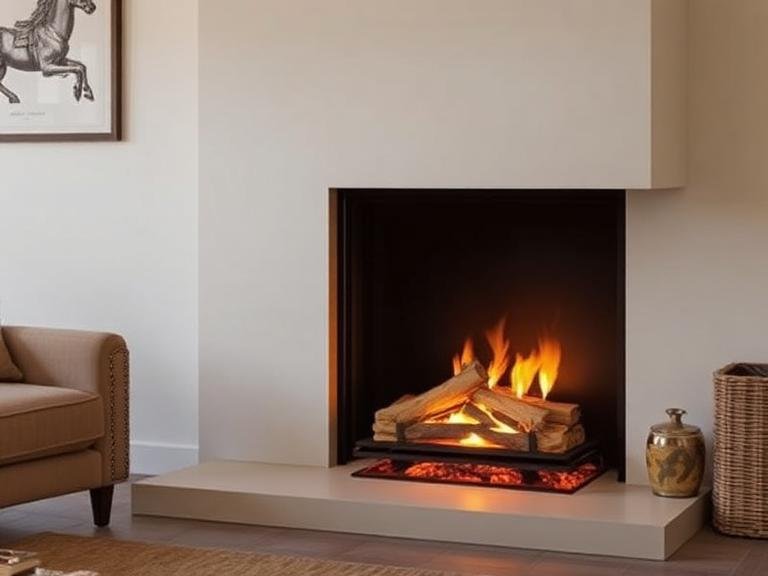
Have you ever walked into a living room and immediately felt drawn to the warmth of flickering flames? Do you love the idea of a cosy fireplace but dread the thought of chopping wood, cleaning ash, and dealing with smoke? What if you could have all the charm of a traditional fire without any of the hassle?
Gas log fires have become incredibly popular in Australian homes, and it’s not hard to see why. They offer the perfect blend of modern convenience and timeless ambience. Whether you’re building a new home or upgrading your current heating setup, gas log fires tick plenty of boxes. They’re efficient, stylish, and remarkably easy to use.
In this article, we’ll explore everything you need to know about gas log fires. From how they work to their running costs, environmental impact, and installation requirements, we’ve got you covered. By the end, you’ll understand exactly why so many Aussie homeowners are making the switch to this smart heating solution.
Understanding Gas Log Fires
How Do Gas Log Fires Work?
Gas log fires operate using natural gas or LPG to create realistic flames around ceramic or concrete logs. A burner sits beneath the decorative logs, producing flames that dance and flicker just like a real wood fire. The heat radiates into your room, creating a warm and inviting atmosphere.
Modern units come with electronic ignition systems, so there’s no pilot light burning constantly. You simply press a button or use a remote control, and you’ve got instant heat. Many models also feature thermostatic controls, allowing you to set your desired temperature.
Types of Gas Log Fires Available in Australia
When shopping for a gas log fire, you’ll encounter two main categories: flued and flueless options.
Flued gas log fires connect to a chimney or external vent, directing combustion gases outside your home. They’re ideal for existing fireplaces and provide excellent heat output. Plus, they’re generally more powerful than their flueless counterparts.
Flueless gas log fires don’t require a chimney, making them perfect for apartments or homes without existing flues. They use catalytic converters to clean emissions before releasing them into the room.
However, they do require adequate ventilation. You’ll also need to choose between natural gas and LPG options. Natural gas connects to mains supply, while LPG uses bottled gas. Your choice typically depends on what’s available in your area and your existing gas infrastructure.
Key Benefits of Gas Log Fires for Modern Homes
Instant Heat at the Push of a Button
Gone are the days of struggling with kindling and matches. With a gas log fire, warmth is literally at your fingertips. Press a button, and within seconds, you’ve got a roaring fire. It’s perfect for those chilly winter mornings when you want immediate comfort.
This convenience extends to shutting down too. No waiting for embers to die out or worrying about fire safety overnight. Simply turn it off and walk away. Many models even come with timers, so your fire can switch on before you wake up or arrive home.
Energy Efficiency and Lower Running Costs
Are gas log fires cheaper to run than electric heaters?
In most cases, yes. Gas heating typically costs less per unit of heat produced compared to electricity. This means you can enjoy a cosy atmosphere without watching your energy bills skyrocket.
Modern gas log fires boast efficiency ratings of 80-90%, meaning most of the gas consumed converts directly to heat. Compare this to older wood fireplaces, which often lose significant heat up the chimney.
Clean and Low Maintenance Heating
Say goodbye to ash, soot, and chimney sweeping. Gas log fires produce no mess whatsoever. There’s no wood to store, no kindling to prepare, and no dirty residue to clean up afterwards.
Maintenance is minimal too. An annual service by a qualified technician keeps everything running smoothly. That’s a far cry from the regular upkeep traditional fireplaces demand.
Consistent, Controllable Warmth
Unlike wood fires that fluctuate in intensity, gas log fires deliver steady, predictable heat. Thermostatic controls maintain your chosen temperature automatically, adjusting the flame as needed. This consistent warmth makes for a much more comfortable living environment.
The Aesthetic Appeal of Gas Log Fires
Creating a Cosy Ambience Without the Hassle
There’s something magical about gathering around a fire. It creates a focal point in your living space and encourages family togetherness. Gas log fires deliver this ambience effortlessly, without the work associated with traditional fires.
Do gas log fires look real?
Absolutely! Modern designs feature incredibly realistic ceramic logs, glowing ember beds, and dancing flames that fool even the most discerning eye. Some premium models include randomly flickering flames that mimic natural wood combustion perfectly.
Design Options to Suit Any Interior Style
Whether your home is contemporary, traditional, or somewhere in between, there’s a gas log fire to match. Options range from classic Victorian-style mantels to sleek, minimalist designs with clean lines.
You can choose from various log arrangements, flame colours, and surround materials. Some units sit within existing fireplaces, while others stand alone as stunning statement pieces. The versatility is remarkable.
Gas Log Fires vs Other Heating Options
Gas Log Fires vs Wood Fireplaces: Which Is Better?
While wood fireplaces offer authentic crackling sounds and that distinctive smoky aroma, gas log fires win on practicality. No wood storage, no ash disposal, no chimney cleaning, and no waiting for the fire to catch. Plus, you can control the heat output precisely.
Wood fires also pose greater fire risks and require constant attention. Gas log fires, on the other hand, feature automatic shut-off systems and don’t produce dangerous sparks.
Gas Log Fires vs Reverse Cycle Air Conditioning
Reverse cycle systems are efficient all-rounders, providing both heating and cooling. However, they lack the visual appeal of flames. Gas log fires create atmosphere and ambience that air conditioning simply cannot match.
Many homeowners use both—air conditioning for everyday comfort and gas log fires for those special evenings when atmosphere matters.
Are Gas Log Fires More Efficient Than Ducted Heating?
Ducted heating warms entire homes but can be wasteful if you’re only using one room. Gas log fires excel at zone heating, warming specific spaces efficiently. If your family spends most evenings in the living room, heating just that space makes financial sense.
Installation and Safety Considerations
What to Know Before Installing a Gas Log Fire
Professional installation is essential. A licensed gas fitter must connect your unit to ensure safety and compliance. They’ll assess your space, recommend appropriate models, and handle all technical aspects.
Do gas log fires need a flue?
It depends on the model. Flued units require either an existing chimney or a newly installed flue system. Flueless models need adequate room ventilation instead.
Safety Features in Modern Gas Log Fire Systems
Today’s gas log fires include numerous safety mechanisms. Oxygen depletion sensors automatically shut off the gas if oxygen levels drop too low. Flame failure devices cut gas supply if the flame extinguishes unexpectedly.
Cool-touch glass options protect children and pets from burns. Automatic timers prevent the fire from running indefinitely if forgotten.
Australian Standards and Compliance Requirements
All gas log fires sold in Australia must comply with Australian Standards. Look for units certified to AS 4553 for gas space heating appliances. Ensure your installer follows AS/NZS 5601 for gas installations.
Running Costs and Energy Efficiency
How Much Does It Cost to Run a Gas Log Fire in Australia?
Running costs vary based on gas prices, fire size, and usage patterns. On average, expect to pay between $0.50 and $1.50 per hour for a medium-sized unit. That’s considerably less than many electric heaters.
Tips for Maximising Efficiency and Reducing Bills
- Use thermostatic controls to prevent overheating
- Close doors to the room being heated
- Ensure your home has adequate insulation
- Service your unit annually for optimal performance
- Don’t run the fire when you’re not in the room
Environmental Considerations
Are Gas Log Fires Environmentally Friendly?
Gas produces fewer emissions than wood burning, making it a cleaner choice. Modern high-efficiency units minimise gas consumption while maximising heat output.
However, gas is still a fossil fuel. If environmental impact is your primary concern, consider pairing your gas fire with other sustainable practices or exploring renewable energy options for your home.
Comparing Carbon Emissions Across Heating Types
Gas log fires produce roughly half the carbon emissions of wood fireplaces. They also generate significantly less particulate matter, improving local air quality. When compared to coal-powered electricity, gas often comes out ahead environmentally.
Choosing the Right Gas Log Fire for Your Home
Factors to Consider: Room Size, Ventilation, and Lifestyle
Match your fire’s heat output to your room size. Undersized units struggle to warm the space, while oversized models waste energy. Consider your lifestyle too—how often will you use it?
Popular brands in Australia include Rinnai, Real Flame, Escea, and Jetmaster. Each offers different styles, sizes, and features to suit various needs and budgets.
Why Gas Log Fires Make Sense for Modern Australian Homes
Gas log fires truly represent the best of both worlds. You get the cosy ambience of a traditional fireplace combined with modern convenience and efficiency. No mess, no fuss—just beautiful, controllable warmth whenever you want it.
The benefits are compelling. Instant heat, lower running costs, minimal maintenance, and stunning aesthetics make gas log fires an excellent investment for any Australian home. They’re safer than wood fires, more atmospheric than ducted heating, and more efficient than many electric options.
If you’re considering upgrading your home heating, a gas log fire deserves serious consideration. Chat with a qualified installer about options suitable for your space. Once you experience the convenience and charm of a gas log fire, you’ll wonder why you didn’t make the switch sooner. There’s nothing quite like curling up on the couch with a good book while flames dance before you—all at the simple push of a button.