

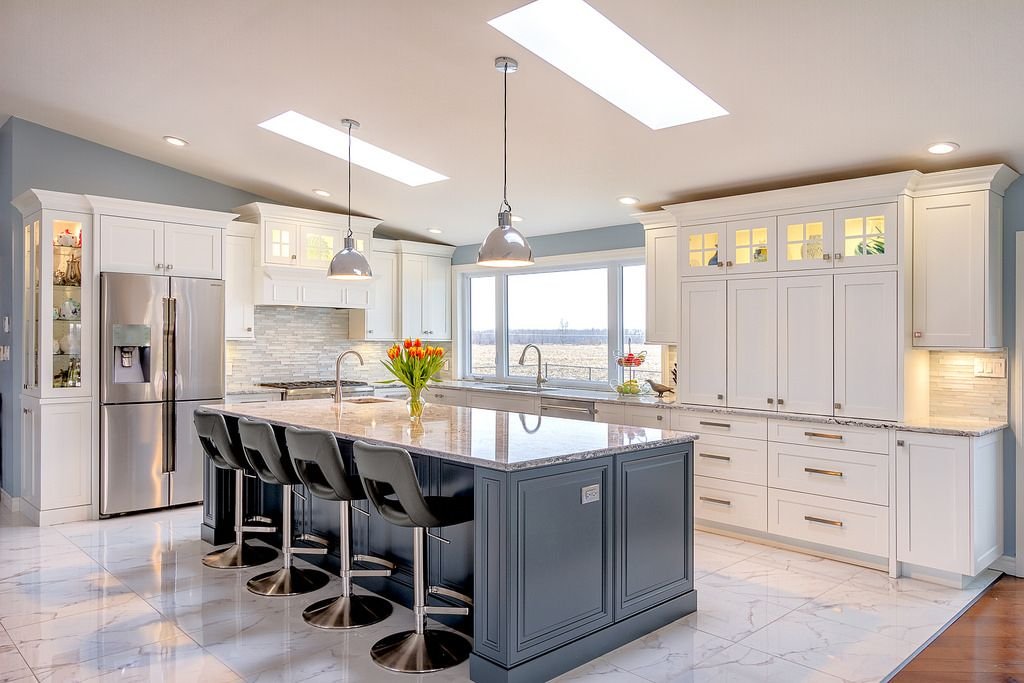
A kitchen may look attractive, but it can still feel difficult to use when storage is poorly planned. Crowded counters, deep cabinets, and items stored far from where they are needed can slow down simple tasks. Good kitchen storage should make cooking, cleaning, and organizing easier every day. The best storage plan does not begin with cabinet colors or decorative details. Instead, it begins with understanding how the kitchen is used. A person who cooks large family meals will have different storage needs from someone who prepares quick meals. Likewise, a family with young children may need accessible snack storage, while someone who entertains often may need space for serving dishes and glassware.
By reviewing daily habits before choosing cabinets, it becomes easier to create a kitchen that feels organized and comfortable. Every cabinet can then have a clear purpose rather than becoming a place where unrelated items collect over time.
Start With Your Daily Kitchen Activities
Before planning storage, think about what normally happens in the kitchen. Consider where groceries are placed after shopping, where meals are prepared, and where dishes are stored after washing. These repeated activities reveal which areas need the most storage.
For example, food preparation usually requires knives, cutting boards, mixing bowls, and seasonings. Keeping these items close to the main preparation area reduces unnecessary movement. Pots and pans should be located near the cooking area, while plates and glasses are usually more convenient near the dishwasher or sink.
It is also helpful to identify common frustrations. Perhaps baking trays are difficult to remove from a deep cabinet, or food containers fall over whenever a door is opened. These small problems show where the existing setup is no longer supporting the daily routine.
Create Clear Storage Zones
Dividing the kitchen into activity zones can make storage planning much simpler. A zone is an area created for a specific group of tasks. Common examples include food preparation, cooking, cleaning, beverage preparation, and food storage.
The food-storage zone should contain dry ingredients, canned goods, snacks, and frequently used cooking supplies. If the kitchen lacks a separate walk-in pantry, well-planned custom pantry cabinets can provide organized storage without requiring an additional room. Shelves, pull-out sections, and divided spaces can help prevent food from becoming hidden or forgotten.
The cooking zone should keep pots, pans, utensils, and seasonings close to the stove. Meanwhile, the cleaning zone should include space for dishwashing supplies, trash bags, towels, and recycling containers. When each zone contains the items needed for its main task, the kitchen becomes easier to navigate.
Place Frequently Used Items Within Easy Reach
Not every kitchen item needs the same level of accessibility. Everyday dishes, glasses, cooking tools, and ingredients should be stored between waist and shoulder height whenever possible. This allows them to be reached without excessive bending or stretching. Less frequently used items can be placed in higher or deeper spaces. Large serving trays, seasonal dishes, and special appliances do not need to occupy the most convenient cabinets. Moving these items away from prime storage areas creates more room for everyday essentials.
However, accessibility should be planned for everyone who uses the kitchen. Children may need a safe lower area for cups and snacks. Older adults may benefit from drawers or pull-out storage that reduces the need to bend deeply into a cabinet.
Make Lower Cabinets Easier to Use
Lower cabinets offer valuable space, but traditional deep shelves can make items at the back difficult to reach. People often forget what is stored there, which leads to clutter and duplicate purchases.
Drawers and pull-out systems can make lower areas more practical. They allow users to see and reach the full contents without removing everything in front. Thoughtful base cabinet storage can accommodate cookware, food containers, small appliances, and cleaning supplies while keeping them organized. The intended use of each lower cabinet should be decided during the planning stage. A wide drawer may work well for pots and pans, while a narrow pull-out area may be more suitable for bottles or baking sheets. Planning around the items being stored helps prevent wasted space.
Give Small Items a Defined Place
Small kitchen tools create clutter quickly because they are easy to place in the nearest available drawer. Measuring spoons, peelers, clips, utensils, and food-storage lids can soon become difficult to find.
Drawer dividers provide a simple solution. Instead of treating a drawer as one large space, dividers create smaller sections for related items. This makes it easier to return each tool to the correct place after use.
Spices also benefit from a clear system. They may be stored in a shallow drawer, on an accessible shelf, or in a narrow pull-out section near the cooking area. The best choice depends on available space, but labels should remain visible so ingredients can be found quickly.
Use Corner Areas Carefully
Kitchen corners can provide useful storage, but they require thoughtful planning. A basic corner cabinet may have a large interior while still making items difficult to reach. As a result, the back of the cabinet often becomes unused. Rotating shelves, pull-out trays, and angled drawers can improve access to these spaces. However, the right solution depends on the kitchen layout and the types of items that will be stored there. Large cookware may require a different setup from dry food or small appliances.
It is important to consider how corner doors and drawers will open. Handles, nearby appliances, and other cabinet doors should not block movement. Accurate measurements can prevent these conflicts before installation begins.
Keep Countertops as Clear as Possible
A crowded countertop makes even a large kitchen feel smaller. Appliances, food containers, mail, and cooking supplies can gradually take over the preparation area. Good cabinet planning should provide a convenient place for as many of these items as possible. Small appliances that are used occasionally can be kept inside cabinets. Daily appliances, such as a coffee maker, may remain on the counter but should be grouped in a specific zone. This keeps the remaining surface available for meal preparation.
A dedicated cabinet for charging devices, paperwork, or household items can also reduce unrelated clutter. Without a defined place, these items often collect on countertops because they do not belong in traditional kitchen storage.
Plan for Waste and Recycling
Trash and recycling storage should be convenient without becoming visually distracting. A pull-out waste cabinet can keep containers hidden while placing them close to the food preparation or cleaning area. Before selecting this feature, consider the number and size of bins required. Some households separate general waste, recycling, and compost. Others may need only two containers. The cabinet dimensions should match the actual bins so no space is wasted.
The location also matters. A waste cabinet should be easy to reach while preparing food, but it should not block the main walkway when opened. It also needs enough surrounding space for comfortable cleaning and maintenance.
Consider the Needs of Every User
A kitchen is often shared by people with different heights, ages, and abilities. Storage should support everyone who regularly uses the space.
For example, frequently used items can be placed in drawers instead of high shelves. Handles should be comfortable to grip, and doors should open without requiring excessive force. Adjustable shelving offers flexibility because shelf heights can change as storage needs develop.
Families with children may want a low cabinet or drawer for safe dishes, lunch supplies, or snacks. However, cleaning products, sharp tools, and breakable items should remain in secure locations. These decisions can improve both convenience and safety.
Leave Room for Future Changes
Storage needs rarely remain exactly the same. A family may purchase new appliances, begin buying groceries in larger quantities, or need more accessible storage later. A flexible cabinet plan can respond to these changes. Adjustable shelves are useful because they can accommodate both short and tall items. Wide drawers can also serve different purposes over time. A drawer used for children’s dishes today might store cookware or food containers in the future.
Avoid designing every space around one highly specific item unless it is used regularly. Extremely specialized storage may become impractical when habits change. Flexible solutions usually provide better long-term value.
Avoid Adding Cabinets Without a Clear Purpose
More cabinets do not automatically create better storage. If the interior layout is poorly planned, additional cabinets may simply provide more places for clutter to build up. Each cabinet should have an intended purpose before the final layout is approved. It can help to list major categories such as cookware, dishes, dry food, appliances, cleaning products, and serving pieces. These categories can then be assigned to suitable storage areas.
This process can reveal whether the kitchen truly needs more cabinet space or simply needs a better arrangement. In some cases, changing the placement and interior organization of cabinets can solve storage problems without filling every open wall.
Work With Accurate Measurements
Even a thoughtful storage plan can fail if the measurements are incorrect. Appliance dimensions, ceiling height, windows, doorways, plumbing, and electrical outlets can all affect cabinet placement. Measurements should account for more than the width of each wall. Cabinets and drawers need enough clearance to open fully. Walkways must remain comfortable when appliances or cabinet doors are in use. Professional planning can help identify layout conflicts before installation. Cabinets MKE can also help Milwaukee-area clients explore storage choices based on their available space, household needs, and kitchen routine.
Final Thoughts
Effective kitchen storage is not about fitting the largest possible number of cabinets into a room. It is about placing the right storage in the right locations. Start by studying everyday activities and identifying existing problems. Next, create zones for food preparation, cooking, cleaning, and storage. Frequently used items should remain accessible, while seasonal or rarely used pieces can be stored farther away. Lower cabinets, pantry areas, corners, drawers, and waste storage should all be planned for a clear purpose. When every item has a logical place, the kitchen becomes easier to use and simpler to maintain. A storage plan built around real routines can improve daily comfort for many years.