

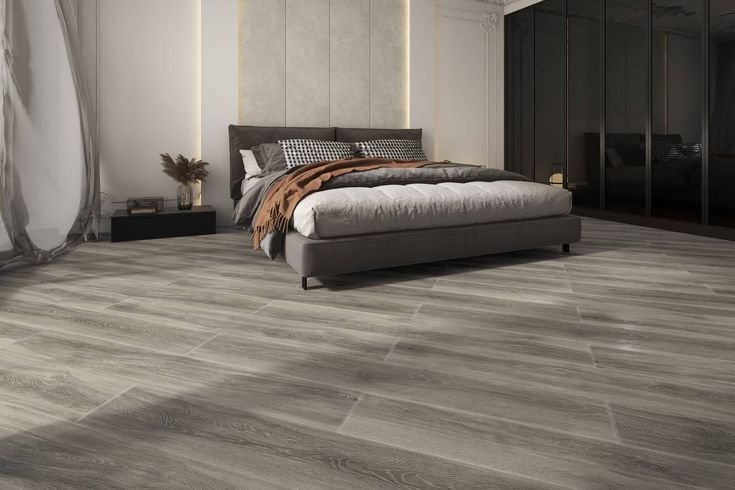
A beautiful floor can change the appearance of an entire home. However, appearance is only one part of the decision. In a busy household, the floor must also handle constant walking, children, pets, spills, furniture movement, and regular cleaning. A material that looks attractive in a showroom may not always perform well under these everyday conditions.
Before choosing a material, homeowners should consider how each room will be used. Visiting a trusted flooring store can make this process easier because buyers can compare materials, finishes, textures, and construction methods in person. This helps them look beyond color and focus on the features that affect durability and comfort. The best flooring choice is not always the most expensive one. Instead, it is the option that suits the household’s lifestyle, room conditions, maintenance preferences, and long-term expectations. Understanding these factors can prevent early wear and reduce the need for costly replacement.
What Makes a Floor Suitable for a Busy Home?
Flooring performance depends on more than surface hardness. A reliable floor must resist scratches, moisture, stains, dents, and daily wear. It should also be comfortable enough for the room and easy to maintain without special cleaning products.
Moisture resistance is especially important in kitchens, bathrooms, laundry rooms, and entryways. For these spaces, homeowners often explore waterproof vinyl flooring because it offers the appearance of natural materials while providing practical protection against everyday spills. However, installation quality and subfloor preparation remain important for long-term results. Stores such as Sam’s Flooring give homeowners access to different flooring categories, allowing them to compare how each material may perform in real living conditions. This is useful because a household with two pets and young children will have very different needs from a quiet home with one or two adults.
Foot Traffic Has a Major Effect on Flooring
Not every room receives the same amount of traffic. Hallways, kitchens, living rooms, and entrances usually experience more daily use than guest rooms or formal dining areas. As a result, these high-traffic spaces need stronger materials and more durable surface finishes. Foot traffic slowly wears away the protective layer on flooring. Dirt and small pieces of grit can also act like sandpaper when people walk across the surface. Over time, this may cause scratches, dull areas, or visible walking paths.
A durable wear layer can help protect the design beneath the surface. It is particularly important for vinyl flooring and other layered products. Homeowners should compare wear-layer thickness, manufacturer guidance, and warranty conditions instead of selecting a product based only on its appearance. Regular care also affects performance. Entry mats can capture dirt before it spreads through the home. Sweeping or vacuuming frequently can reduce surface scratches, while felt pads under furniture can prevent dents and marks.
Why Luxury Vinyl Performs Well in Active Households
Luxury vinyl has become a practical option for homes that need a balance of durability, design, and simple maintenance. It is available in many wood-look styles, colors, plank sizes, and textures. Therefore, it can support different interior styles without requiring the same care as natural wood. One major benefit is resistance to common household spills. When properly installed, quality vinyl planks can work well in kitchens, family rooms, entryways, and other active spaces. The surface is generally easy to clean, which can be helpful for families with children or pets.
However, not every vinyl product offers the same quality. Buyers should compare the core construction, wear layer, locking system, surface texture, and warranty. Very cheap flooring may have a thin protective layer or a weak locking system, which can lead to early damage.
The subfloor must also be smooth and stable. Uneven areas beneath vinyl can become visible or place pressure on the plank joints. Proper preparation helps the floor remain secure and improves its finished appearance.
WPC Flooring Adds Comfort and Practical Protection
Wood plastic composite flooring, commonly called WPC, is another option for busy residential spaces. Its core construction often gives it a slightly softer and warmer feel than some rigid flooring products. This can make it comfortable in living rooms, bedrooms, and open-plan family areas.
WPC flooring can also reduce some of the hard or hollow sound associated with other floating floors. Many products include an attached underlayment, although buyers should always review the installation requirements before adding another layer beneath the floor.
Its water-resistant or waterproof construction makes WPC useful in homes where spills are common. Still, waterproof flooring does not make the entire room waterproof. Water can move around the edges, beneath baseboards, or through unsealed gaps. Spills should therefore be cleaned as soon as possible.
Glue-Down Flooring Can Handle Heavy Use
Glue-down vinyl is often selected for areas that experience frequent movement or rolling traffic. Because each plank is attached directly to the prepared subfloor, the finished surface can feel firm and stable. This installation method can work well in large rooms, commercial-style home offices, rental properties, and other spaces where floor movement needs to be minimized. If one plank becomes damaged, it may also be possible to remove and replace that individual section. However, glue-down installation requires careful preparation. The subfloor must be clean, level, and dry. The correct adhesive must also be used according to the product instructions. Poor preparation can lead to loose edges, visible imperfections, or adhesive failure.
For that reason, homeowners should consider the complete installation process rather than comparing product prices alone. A lower-priced material may not save money if the subfloor needs extensive repairs or the installation requires specialized work.
Hardwood Offers Long-Term Character
Hardwood flooring remains popular because of its natural appearance and long-term value. Each plank contains unique grain patterns, tones, and variations that give a room warmth and character. Solid hardwood can perform well in living rooms, bedrooms, dining areas, and hallways when it receives proper care. Some floors can also be sanded and refinished, which can extend their useful life. However, the number of possible refinishing treatments depends on the plank thickness and installation.
Natural wood reacts to moisture and temperature changes. It can expand when humidity rises and shrink when conditions become dry. Therefore, indoor climate control and correct installation are important. Hardwood may not be the easiest choice for households that expect frequent spills or wet pet accidents. Scratches can also appear over time. Still, some homeowners appreciate these signs of use because they add natural character to the floor.
Engineered Wood Provides Better Stability
Engineered wood has a real wood surface placed over several supporting layers. This construction gives it greater dimensional stability than many solid wood products. It can be a helpful option for homeowners who want an authentic wood surface but need more flexibility in different rooms. Depending on the product, engineered flooring may be installed using floating, glue-down, or nail-down methods.
The thickness of the top wood layer affects quality and future refinishing possibilities. A very thin surface may offer limited repair options, while a thicker layer can provide greater long-term value. Although engineered wood is generally more stable, it is not completely protected from water. Standing moisture can still damage the surface, edges, or supporting layers. Homeowners should clean spills quickly and follow the manufacturer’s care instructions.
Carpet Provides Comfort but Requires More Maintenance
Carpet creates a soft and comfortable surface, making it a common choice for bedrooms, family rooms, and play areas. It also helps reduce noise and provides warmth underfoot. In a busy home, carpet performance depends on fiber type, pile construction, density, backing, and stain protection. Dense carpet with a shorter pile often handles traffic better than a loose, deep pile.
Color and pattern can also affect how the carpet looks over time. Very light, solid colors may show stains more easily, while textured or mixed-tone designs can help hide everyday marks. Regular vacuuming is necessary because dirt can settle between the fibers. Professional cleaning may also be needed from time to time. Families with pets should look for products designed to resist stains and make hair removal easier.
Carpet Tiles Make Repairs More Manageable
Carpet tiles offer another practical solution for playrooms, basements, offices, and hobby areas. Instead of installing one large piece of carpet, installers place individual squares across the floor. The main advantage is easy replacement. If one section becomes stained or damaged, the homeowner may be able to replace that tile without removing the entire floor. Keeping several extra tiles from the original order can make future repairs easier.
Carpet tiles also provide design flexibility. Different colors or patterns can be combined to create borders, zones, or simple layouts. However, correct placement is important because poorly aligned tiles can make the seams more visible.
Room Conditions Should Guide the Final Decision
A single flooring material does not need to cover the entire home. In fact, using different products in different rooms can provide better performance. Moisture-prone areas may benefit from vinyl or another water-resistant surface. Bedrooms may feel more comfortable with carpet, while living rooms can work well with hardwood, engineered wood, or WPC flooring.
Homeowners should also consider sunlight. Strong natural light can cause some flooring colors to fade or change over time. Window coverings and UV-resistant finishes may help reduce this effect. The condition of the subfloor is equally important. Concrete, plywood, and existing flooring surfaces may require different preparation methods. Moisture testing, leveling, and repairs should be completed before installation begins.
Appearance Still Matters
Durability should not force homeowners to choose a floor they do not enjoy. Modern flooring products offer many practical options in attractive colors and styles.
A floor’s undertone should work with the walls, cabinets, furniture, and natural light in the room. Warm brown shades can make a space feel comfortable, while gray or lighter tones may create a cleaner and more open appearance.
Samples should be viewed inside the home at different times of day. Showroom lighting can make colors appear different. Placing several samples near furniture and cabinets can help homeowners make a more confident choice.
Final Thoughts
Some floors perform better in busy homes because they are selected according to real household conditions. The strongest material is not automatically the best choice for every room. Comfort, moisture exposure, maintenance, installation, and appearance must all work together. Before buying, homeowners should think about how much traffic each room receives, whether children or pets use the space, and how much maintenance they can realistically manage. Comparing product construction and installation requirements can also prevent unexpected problems.
A well-planned flooring choice can remain attractive and functional for many years. By focusing on everyday performance instead of appearance alone, homeowners can create rooms that are easier to maintain, more comfortable to use, and better suited to their lifestyles.