

Have you ever walked through a property that looked absolutely perfect, only to discover later that it was hiding some nasty surprises? What if that dream home you’re eyeing has termites quietly munching away at its foundations? Or perhaps there’s rising damp creeping up the walls where you can’t see it?
These aren’t just hypothetical scenarios—they’re real situations that Australian property buyers face every day. Hidden property damage can turn your exciting new purchase into a financial nightmare faster than you’d expect. The thing is, most serious defects aren’t visible to the untrained eye. They lurk behind walls, under floors, and in roof cavities where you’d never think to look.
That’s exactly why building and pest inspections exist. In this article, we’ll explore what these inspections involve, the common signs of hidden structural and pest damage, and why skipping this crucial step could cost you dearly. You’ll learn what tools inspectors use, how to choose a qualified professional, and what to do if problems are found. Whether you’re a first-time buyer or a seasoned investor, understanding these warning signs could save you thousands.
What Is a Building and Pest Inspection?
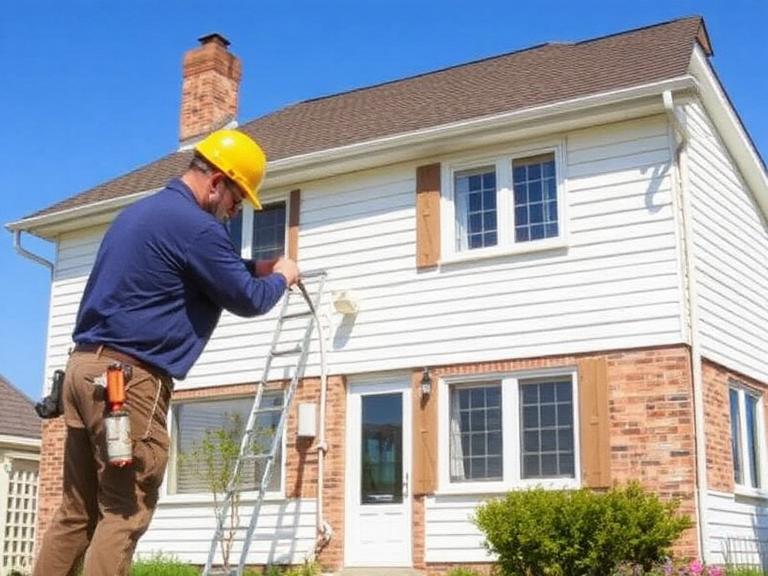
A building and pest inspection is a thorough examination of a property’s condition, typically carried out before purchase. It’s designed to identify existing problems, potential hazards, and areas that might need attention down the track. Think of it as a health check-up for your potential new home.
What Does a Building and Pest Inspection Include?
A standard inspection covers the property’s structural elements, including foundations, walls, roof structure, and flooring. The inspector will also examine plumbing, electrical systems, and drainage where accessible. On the pest side, they’ll look for evidence of termites, borers, and other timber-destroying insects.
The inspection typically includes internal areas, external structures, roof spaces, subfloor areas, and any outbuilding like garages or sheds. You’ll receive a detailed report outlining any defects found, along with recommendations for repairs or further investigation.
How Long Does a Building and Pest Inspection Take?
For an average-sized home, expect the inspection to take between two and three hours. Larger properties or those with multiple structures may take longer. It’s worth noting that rushing this process isn’t ideal—a thorough inspector needs adequate time to examine everything properly.
Common Signs of Hidden Structural Damage
Structural damage is particularly concerning because it affects the building’s integrity and safety. Some signs are obvious, while others require a trained eye to spot.
Cracks in Walls and Foundations: When Should You Worry?
Not all cracks spell disaster. Hairline cracks in plaster are often just cosmetics, resulting from normal settling. However, cracks wider than 5mm, those that run diagonally from window corners, or horizontal cracks in foundations are red flags. These could indicate significant movement or structural issues that need professional assessment.
Stair-step cracking in brick walls is another warning sign, particularly in older Australian homes built on reactive clay soils. These cracks often worsen during dry seasons when soil contracts.
Uneven Floors and Doors That Won’t Close Properly
When doors stick or won’t latch properly, it’s easy to blame humidity or an old frame. But this could actually signal foundation movement or structural shifting. Similarly, uneven floors—whether sloping or bouncy—might indicate problems with floor joists or supporting structures.
A simple test is to place a marble on the floor and see if it rolls. While minor variations are normal, significant slopes warrant investigation.
Signs of Water Damage and Rising Damp
Water damage is incredibly common in Australian properties and often goes unnoticed until it’s caused significant harm. Look for:
- Musty odours, particularly in enclosed spaces
- Staining or discolouration on walls and ceilings
- Peeling paint or bubbling wallpaper
- Mould growth, especially in corners
- Tide marks along skirting boards
Rising damp occurs when groundwater travels up through masonry walls. It’s particularly prevalent in older homes without proper damp-proof courses and can cause long-term structural deterioration.
Roof Defects You Can’t See from the Ground
Your roof is your home’s first line of defence, yet many problems aren’t visible from street level. Sagging roof lines, broken or missing tiles, and compromised flashing around chimneys and vents can all lead to water ingress. Inside the roof cavity, inspectors might find inadequate ventilation, damaged sarking, or structural timbers weakened by rot or pest damage.
Pest Damage: What Lurks Beneath the Surface
Australia is home to some persistent property pests, and the damage they cause often remains hidden until it’s extensive.
How Do I Know If My House Has Termite Damage?
Termites are every Australian homeowner’s nightmare, causing millions of dollars in damage annually. Warning signs include:
- Hollow-sounding timber when tapped
- Mud tubes along foundations or walls
- Bubbling or blistering paint
- Tight-fitting doors and windows
- Discarded wings near windows or doors
The tricky part? Termites work from the inside out, meaning timber can look perfectly fine while being almost entirely consumed within. Professional inspectors use specialised equipment to detect activity that’s invisible to the naked eye.
Identifying Borer Beetle and Timber Pest Damage
While termites get most of the attention, borer beetles also cause significant timber damage in Australian homes. Small, round exit holes (about 1-2mm diameter) in timber are the classic sign, often accompanied by fine, powdery sawdust called frass. Different borer species target different timber types, with some preferring seasoned hardwoods and others attacking softwoods.
Rodent Infestations and Their Hidden Impact
Rats and mice don’t just create hygiene concerns—they can damage insulation, gnaw through electrical wiring (creating fire risks), and contaminate ceiling spaces. Evidence includes droppings, gnaw marks, greasy rub marks along walls, and nesting materials in hidden areas.
Can a Building Inspection Detect Hidden Defects?
Building inspections are thorough, but they do have limitations. Understanding what inspectors can and can’t find helps set realistic expectations.
What Tools Do Inspectors Use to Find Hidden Damage?
Modern inspectors use various technologies to look beyond surface appearances. Moisture meters detect elevated moisture levels in walls and floors. Thermal imaging cameras reveal temperature variations that might indicate water leaks or missing insulation. For pest inspections, radar and acoustic devices can detect termite activity within walls without causing damage.
Limitations of a Standard Building Inspection
It’s important to understand that inspections are visual assessments of accessible areas. Inspectors can’t see through walls, move heavy furniture, or lift carpet. Areas that are locked, concealed, or dangerous to access won’t be fully examined. The report will note these limitations. In some cases, further invasive investigations might be recommended.
Is a Building and Pest Inspection Worth It?
Short answer: absolutely. The cost of an inspection is minimal compared to the potential expense of undiscovered defects.
The True Cost of Skipping an Inspection
Consider this: treating a termite infestation can cost anywhere from $3,000 to $10,000 or more, depending on severity. Foundation repairs might run into tens of thousands. A $500-600 inspection that identifies these issues before purchase could be the best investment you ever make.
Beyond financial costs, there’s the stress and disruption of dealing with major repairs after you’ve moved in. Many problems are far easier and cheaper to address before settlement.
How Much Does a Building and Pest Inspection Cost in Australia?
Prices vary depending on location, property size, and the inspector’s experience. Generally, expect to pay between $400 and $700 for a combined building and pest inspection on a standard home. Properties in regional areas might cost less, while large or complex homes could cost more.
What Happens If the Inspection Finds Problems?
Finding issues doesn’t necessarily mean walking away—it gives you options and negotiating power.
Negotiating Repairs or Price Reductions
Armed with an inspection report, you can request that the seller address problems before settlement. Alternatively, you might negotiate a price reduction to account for repair costs. Having documented evidence of defects strengthens your position considerably.
When to Walk Away from a Property
Some defects are deal-breakers. Significant structural issues, extensive termite damage to critical structural elements, or asbestos concerns might make a property too risky. Your inspector can help you understand the severity of any findings.
How to Choose a Qualified Building and Pest Inspector
Not all inspectors are created equal. Look for professionals with relevant qualifications, appropriate insurance, and membership in industry associations. Ask about their experience, request sample reports, and check online reviews. A thorough inspector will spend adequate time on-site and provide a detailed, easy-to-understand report.
Protecting Your Investment Before You Buy
We’ve covered a lot of ground, from understanding what building and pest inspections involve to recognising the warning signs of hidden damage. The key takeaway? What you can’t see can definitely hurt you—or at least hurt your wallet significantly.
A building and pest inspection isn’t just a box to tick; it’s your opportunity to make an informed decision about one of the biggest purchases you’ll ever make. Whether the report comes back clean or reveals issues requiring attention, you’ll be in a much stronger position than going in blind. If you’re purchasing property on the Mornington Peninsula, arranging a professional building and pest inspection in Frankston before finalising the sale can help uncover hidden structural issues, termite activity, and costly defects that may not be visible during a standard property viewing.
So before you sign on that dotted line, invest in a quality inspection from a reputable professional. Your future self—comfortably settled in a home without nasty surprises—will thank you for it. After all, peace of mind is priceless, especially when it comes to protecting your property investment.
To know more, visit https://vowinterior.com/