

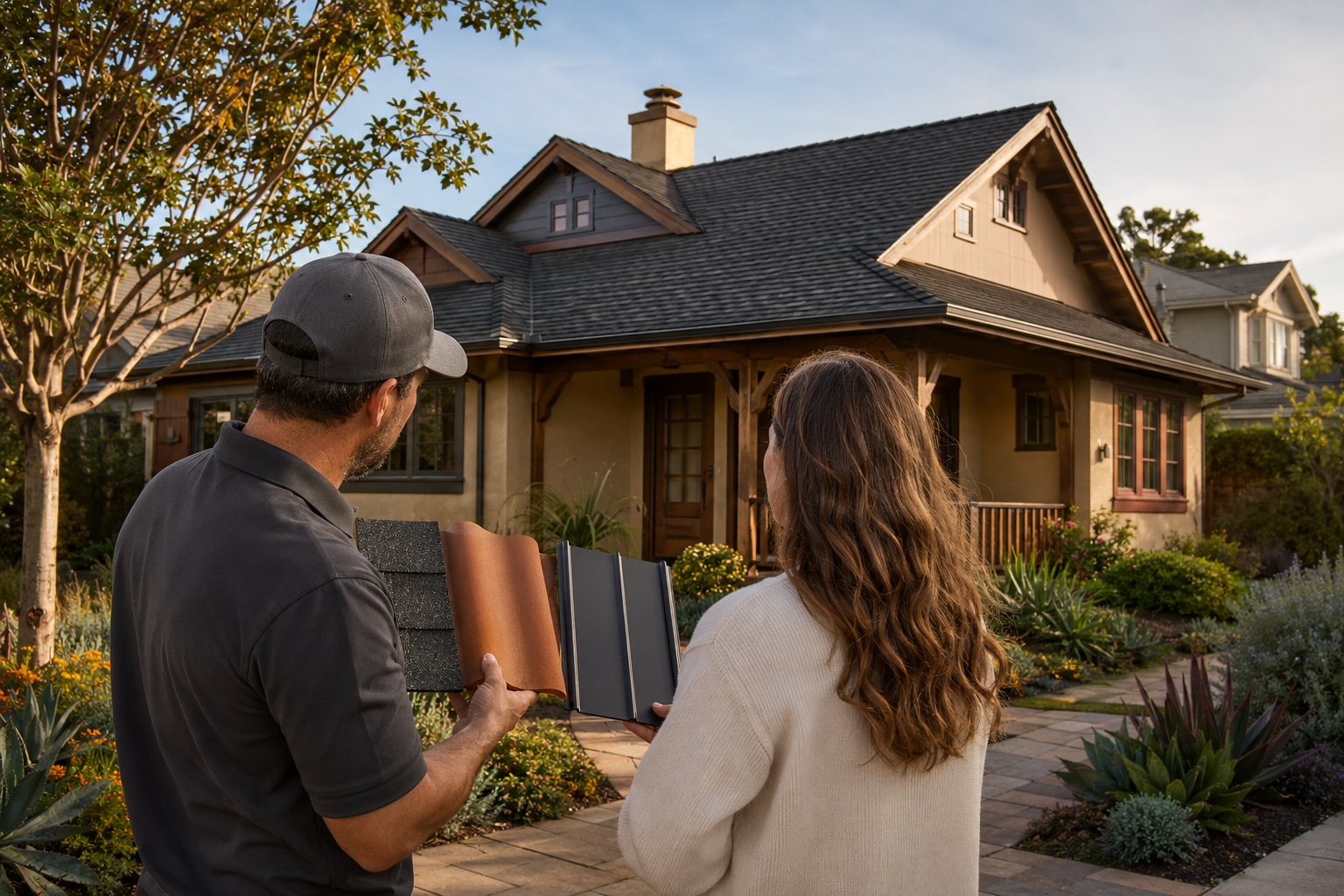
A roof can be technically sound and still look wrong. You may notice the color competing with the siding, heavy tiles overwhelming a simple roofline, or modern metal panels clashing with a traditional exterior. Once the material is installed, fixing that visual mismatch becomes expensive.
Style is only part of the decision. San Jose roofs face long periods of sunshine, heat exposure, seasonal rain, and occasional strong winds. The material must suit both the building and the local climate. If your existing roof already has damage, arranging roof repair services san jose before selecting finishes can also reveal structural or ventilation issues that may affect your options.
This guide explains how to connect roofing materials with architectural styles. You will also learn what to check before approving a color, profile, or roofing system.
Why the Wrong Roof Can Make the Entire Home Feel Unbalanced
Your roof may cover a large portion of the home’s visible exterior. This is especially true on houses with steep pitches, front-facing gables, or attached garages. A roofing material that fights against those features can change the character of the whole property. Picture a modest Craftsman bungalow with glossy black metal panels. The material may offer excellent performance, but its sharp appearance could overpower the warm wood details below. In the same way, thick barrel tiles may feel too heavy on a low-profile mid-century home.
Visual problems are not the only concern. Certain materials require specific roof slopes, stronger framing, or specialized drainage. A choice based only on appearance may lead to standing water, cracked tiles, or excess structural load. Correcting those problems costs far more than reviewing the roof carefully at the start.
Start With Your Home’s Architectural Personality
Before looking at colors, step back and study the building. Is the roof steep and highly visible? Does it have broad, simple sections? Are there dormers, valleys, chimneys, or deep overhangs? These details influence which materials will look natural.
A steep roof can display texture beautifully. Dimensional shingles, slate-style products, and wood-look materials often work well there. Low-slope sections need a flatter, less decorative system designed to move water safely. Installing ordinary shingles on an unsuitable slope can increase the risk of moisture reaching the roof deck.
Look beyond the roofline
The exterior offers more clues. Stucco walls often pair comfortably with clay or concrete tile. Natural wood trim works well with textured shingles. Clean siding, large windows, and geometric shapes may support a metal or low-profile roof.
Walk across the street and view the whole property. A sample that looks attractive in your hand may feel completely different above the second floor. The goal is to choose a roofing style for your San Jose home that supports the architecture without becoming the only feature people notice.
Match the Right Roofing Material to Each Home Style
No material belongs exclusively to one type of house. Still, some combinations feel more convincing because their shape, texture, and history work together.
Spanish, Mediterranean, and Mission-style homes
Clay and concrete tiles are natural partners for these homes. Their curved profiles complement stucco walls, arched openings, courtyards, and warm exterior colors. Terracotta is the traditional choice, though brown, sand, and blended finishes can create a softer appearance.
Weight must be checked before installation. Tile is much heavier than asphalt shingles, and an older structure may need reinforcement. Broken tiles can also allow water to reach the underlayment, so the system beneath them matters as much as the visible surface.
Craftsman homes and bungalows
Craftsman architecture relies on natural materials, deep eaves, exposed details, and visible roof planes. Architectural asphalt shingles usually fit this style well. Their layered surface offers more depth than flat three-tab shingles.
Weathered gray, muted brown, forest green, and charcoal can complement stone or wood elements. Wood shakes may provide an authentic appearance, but they demand more maintenance. Homeowners who want that texture with simpler upkeep can explore high-quality synthetic or wood-look products.
Mid-century modern homes
Long horizontal lines and low roof profiles define many mid-century properties. Bulky materials can interrupt that clean shape. Smooth roofing membranes, restrained metal systems, and low-profile shingles may be better choices, depending on the roof’s pitch.
Drainage deserves close attention here. Water moves more slowly across a low-slope roof. The selected system must be approved for that application, and transitions around skylights, vents, and adjoining walls require careful flashing.
Contemporary homes
Standing-seam metal works particularly well with geometric shapes, mixed exterior materials, and large windows. Its narrow vertical lines create a crisp appearance without adding heavy texture.
Dark metal can become visually dramatic, while lighter or reflective finishes may reduce heat absorption. The right option depends on the home’s colors, sun exposure, insulation, and ventilation. Matte finishes usually feel more refined than highly reflective panels.
Ranch and traditional suburban homes
Dimensional asphalt shingles are versatile enough for ranch, Cape Cod, Colonial-inspired, and conventional suburban properties. They are available in varied profiles without forcing the home into a particular design category.
Broad ranch roofs can appear heavy when the color is too dark or the shingle pattern is overly busy. A balanced blend with subtle variation usually works better. Traditional homes can handle stronger contrast, especially when the trim and shutters already establish a clear color scheme.
Let San Jose’s Climate Guide the Final Decision
San Jose’s warm, dry summers can expose roofing surfaces to intense sunlight for months. Over time, UV exposure may fade color and age lower-quality materials. Attic heat can also build up when the roof, insulation, and ventilation are not working as one system.
Rain may be seasonal, but the roof still needs reliable drainage. Valleys, penetrations, flashing, and gutters become especially important after a long dry period. Small cracks or loose components can remain unnoticed until the first serious storm arrives.
Experienced roofing contractors in san jose should evaluate reflectivity, ventilation, underlayment, roof pitch, and water flow before recommending a product. Skilled local San Jose roofing professionals will also consider nearby trees, shade, wind exposure, and the orientation of each roof plane. Those details often separate a suitable material from one that merely looks attractive in a brochure.
Avoid These Expensive Style and Performance Mistakes
Here is where a quick decision can become a long-term frustration. Roofing covers too much visual space to choose from a tiny indoor sample. Sunlight changes undertones, and surrounding colors influence how the finished surface appears.
Ask to see full-size samples outdoors. View them in morning light and again later in the day. If possible, visit a completed roof using the same product. A charcoal shingle might appear neutral online but reveal strong blue or green undertones beside your paint.
Choosing trends over architectural fit
A fashionable material is not automatically right for the property. An ultra-modern finish may date a traditional exterior rather than improve it. Consider how the roof will look after the current trend passes and whether future buyers will see it as an upgrade.
Ignoring weight, slope, and future repairs
Clay, concrete, and natural slate can place substantial weight on the structure. Meanwhile, standard shingles are not designed for every low-slope surface. Product warranties may also depend on approved installation methods and ventilation.
Repairs deserve advance thought too. Custom colors and unusual profiles may be difficult to match years later. During professional roof repair in San Jose, readily available materials make it easier to replace damaged sections without creating a noticeable patchwork effect.
Use This Practical Checklist Before Approving the Material
Start by narrowing your choices to two or three materials that fit the roof’s slope and structure. Then compare appearance, service life, maintenance, warranty coverage, and expected repair costs. The cheapest installation may become less economical if it requires frequent attention.
Use these questions during the decision:
- Is the product approved for this roof pitch?
- Can the structure safely carry its weight?
- How will the color look beside the siding, stucco, brick, and trim?
- Does the material perform well under prolonged sun exposure?
- Are replacement pieces likely to remain available?
- What maintenance will be needed over the next decade?
- Does the warranty require specific ventilation or underlayment?
- Can damaged areas be repaired without replacing a large section?
Ask qualified San Jose roofing contractors to inspect the decking, flashing, ventilation, and drainage before you commit. Hidden deterioration can change the scope of the project. Finding it early gives you room to adjust the budget instead of reacting after removal begins.
Create a Roof That Still Looks Right Years From Now
A well-matched roof should feel like part of the original design. It should support the home’s proportions, complement its exterior finishes, and perform reliably through San Jose’s changing seasons. Price matters, but so do repair access, maintenance demands, and long-term appearance.
Clean Roofing can help you compare materials based on the actual condition and architecture of your property. Working with trusted roof repair specialists serving San Jose also reduces the risk of choosing a product that looks suitable but conflicts with the roof’s structure or slope.
Take time with the samples. Look at completed installations. Ask practical questions about upkeep and future repairs. A thoughtful choice now can protect both the home and its curb appeal for years.
FAQs
Which roofing material works with the widest range of home styles?
Dimensional asphalt shingles suit many traditional, ranch, Craftsman, and suburban homes. Their varied colors and moderate texture make them adaptable. The roof pitch and local installation requirements still need to be checked.
Can I install clay tiles over a roof that currently has asphalt shingles?
Possibly, but the structure must first be evaluated. Clay and concrete tiles are much heavier than asphalt shingles. Reinforcement may be needed before installation.
How should I choose a roof color for a stucco home?
Start with the stucco’s undertone. Warm beige or cream often works with brown, terracotta, or blended earth tones. Cool gray stucco may pair better with charcoal or slate-inspired colors. Always inspect samples outside.
Is metal roofing suitable for a traditional house?
Yes, if the profile and color support the architecture. Less reflective finishes and restrained colors can make metal roofing feel appropriate on traditional homes without creating an overly industrial appearance.
Should a roof repair match the existing material exactly?
The replacement should match as closely as possible in product, profile, thickness, and color. Weathering can make an exact visual match difficult, even when the original product is available.