

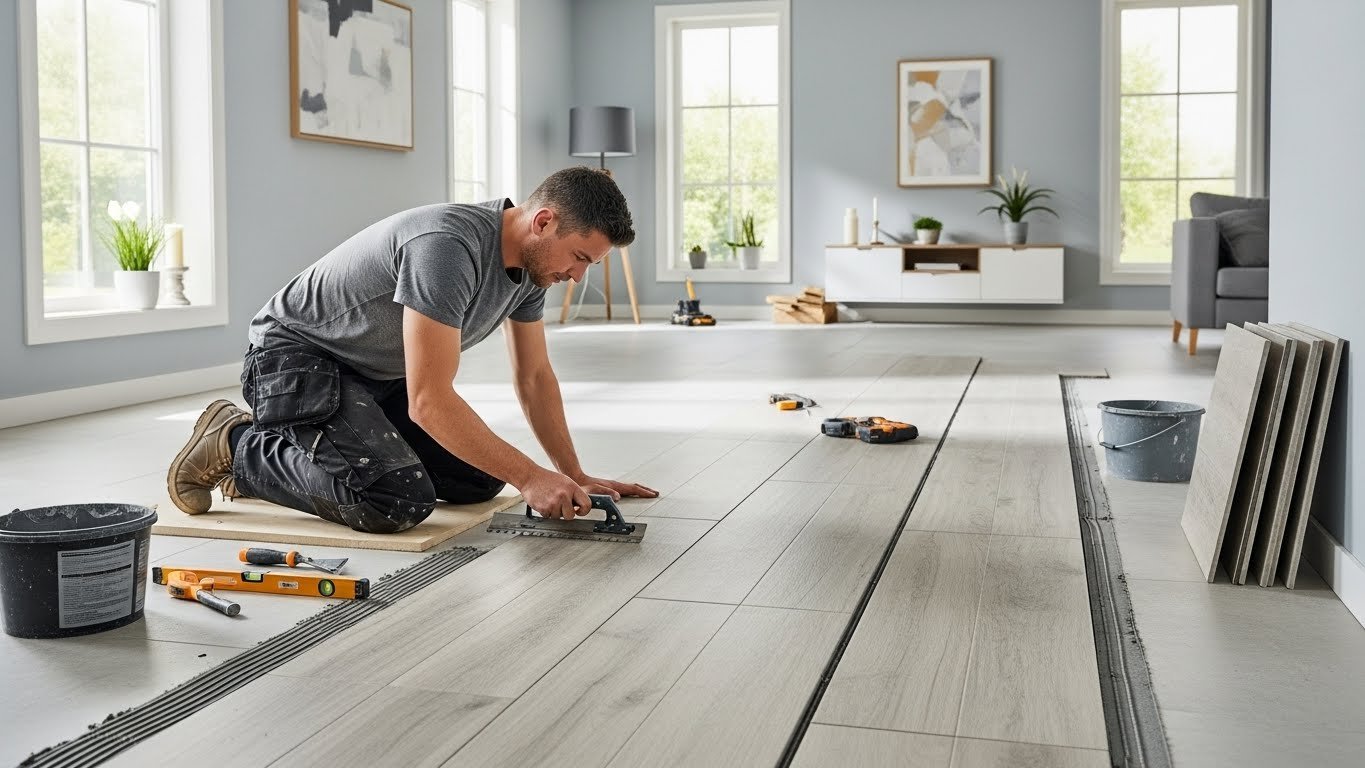
When you’re looking for commercial tilers in Melbourne, the answer isn’t just “pick the first name you see”. It’s about matching experience, material knowledge, and local climate awareness to your project’s demands. This guide walks you through five unexpected factors that separate the good from the great, from checking past industrial jobs to ensuring slip-rating compliance for wet areas. You’ll learn how to vet a contractor, pick the right tile for a Southbank cafe or a Docklands office, and keep the whole fit-out on schedule without surprise hiccups.
Secret 1: Check the Tiler’s Track Record on Commercial Projects
From what I’ve seen, the most reliable commercial tilers can point to a portfolio that includes at least three distinct sectors – retail, hospitality, and medical. In my experience, a contractor who’s handled a high-traffic retail strip in Richmond will understand the wear patterns that a new café in St Kilda will later face.
What typically happens is that owners focus on residential references and forget that commercial work demands different logistics. A good commercial tiler will have:
- Completed a minimum of five full-scale commercial installations in the last five years.
- Provided before-and-after photos that show tile alignment, grouting consistency, and joint placement.
- References from property managers or facility-maintenance teams who can speak to post-install performance.
And the thing is, those references often reveal how the tiler dealt with site constraints like limited access in a Melbourne laneway or strict building-site hours in the CBD. Honest contractors will admit any hiccups and explain how they resolved them.
Secret 2: Verify Substrate Preparation and Joint Planning
In my experience, the biggest failures in commercial tile work stem from poor substrate prep. A concrete slab that looks solid to the eye can still have micro-cracks that expand under Melbourne’s temperature swings, especially in the cooler winter months.
Here’s what I tell people when they ask about preparation:
- Ask for a moisture test report – a reading above 0.5% can cause tile lift.
- Confirm that the tiler will install a suitable uncoupling membrane, like Schluter-DICKEL, to accommodate movement.
- Ensure expansion joints are placed every 8-10 m in high-traffic zones to prevent tile cracking.
And don’t forget the importance of a level substrate. A deviation of more than 3 mm across a 2 m span will show up as uneven tiles, which looks unprofessional and can cause tripping hazards.
Secret 3: Materials Matter – Choose the Right Tile for Melbourne’s Climate
Melbourne’s weather swings from hot, dry summer days to damp, chilly winters, and that influences tile performance. Porcelain tiles with a low absorption rate (<0.5%) are ideal for commercial kitchens in South Melbourne because they resist moisture and stains.
But if you’re fitting a boutique hotel in Fitzroy, a natural stone like travertine can add a premium look, provided it’s sealed with a low-VOC penetrative sealant to handle the occasional rain-driven humidity.
Typical material choices you’ll encounter include:
- Ceramic tiles – great for interior corridors, easy to clean, and available in slip-rating R10 for safety.
- Porcelain tiles – dense, low-porosity, perfect for high-traffic retail floors.
- Stone tiles – marble, granite, or limestone for upscale reception areas, but require regular sealing.
- Epoxy floor coatings – used in industrial workshops where chemical resistance is key.
And the thing is, you should also consider the tile’s coefficient of friction. In a medical clinic on the east side of Melbourne, an R11 slip rating is often required for wet areas to meet ADAS guidelines.
Secret 4: Compliance and Safety – Slip Ratings, ADAS, and Australian Standards
Honestly, many business owners overlook the safety standards until an incident occurs. In Melbourne, the Building Code of Australia references AS 4586 for slip resistance, and commercial tilers must be familiar with it.
When you’re reviewing a contractor’s proposal, ask for:
- Documentation showing the tile’s slip rating (R9-R13) and suitability for wet zones.
- Evidence of compliance with the Disability Discrimination Act for tactile paving where required.
- Proof of a valid public liability insurance policy that covers tile-related accidents.
And the thing is, compliance isn’t just paperwork – it impacts your insurance premiums and the liability you carry if a customer slips on a newly tiled floor.
Secret 5: Managing the Project Timeline and Coordination with Other Trades
In my experience, a commercial tiling job rarely exists in a vacuum. It often follows electrical work, plumbing, and sometimes a new HVAC system. That’s why a seasoned commercial tiler will provide a detailed Gantt-style schedule.
Here’s what I tell people about timing:
- Allocate 2-3 weeks for substrate preparation, especially if you need screed removal and a fresh concrete pour.
- Plan for 1-2 days of tile layout and dry-fit before any adhesive is applied.
- Allow 24-48 hours for grout curing before heavy foot traffic, and an additional 72 hours for full strength in high-load zones.
But if you’re working in a multi-tenant building on the inner ring road, you may need to schedule night shifts to avoid disrupting nearby businesses. A good tiler will coordinate with the site manager to lock out the area and ensure safety signage is in place.
Selecting the Right Commercial Tile Installer in Melbourne – A Practical Checklist
When you’re ready to hire, use this checklist to narrow down the field. It’s more than a quick Google search; it’s a systematic vetting process.
Checklist items include:
- Current licence for tile installation in Victoria.
- Public liability insurance with a minimum cover of million.
- Portfolio showing at least three completed projects in the same industry as yours.
- References from at least two previous commercial clients, preferably within the last 12 months.
- Proof of ongoing training in new tiling technologies, such as heated flooring or anti-bacterial grout.
And the thing is, you should also ask for a written warranty that covers both the tile and the workmanship for a minimum of five years. That warranty is a strong indicator of confidence in the quality of the job.
Maintenance and Longevity – Keeping Your Commercial Floors in Top Shape
After the tiles are set, the real test begins – daily wear and tear. In Melbourne’s bustling CBD, foot traffic can be intense, and proper maintenance prolongs the life of the install.
Typical maintenance steps include:
- Weekly cleaning with a pH-neutral floor cleaner to avoid degrading grout.
- Quarterly sealing of natural stone in high-traffic zones.
- Annual inspection of expansion joints for any cracking or movement.
- Prompt repair of any cracked tiles using the same grout mix to maintain colour consistency.
And the thing is, using the right cleaning equipment matters. A low-speed rotary scrubber with a soft pad is ideal for porcelain tiles, while a high-speed vacuum can keep dust from settling into grout lines.
Conclusion
Choosing the right commercial tilers in Melbourne isn’t a gamble – it’s a process that blends experience, material knowledge, and local awareness. From verifying substrate prep and joint placement to ensuring slip-rating compliance and coordinating with other trades, each secret adds a layer of protection for your investment. Use the practical checklist, demand clear warranties, and keep up with regular maintenance to enjoy a floor that looks great and performs for years to come. Follow these steps, and you’ll avoid costly re-works while delivering a safe, attractive environment for staff and customers alike.