

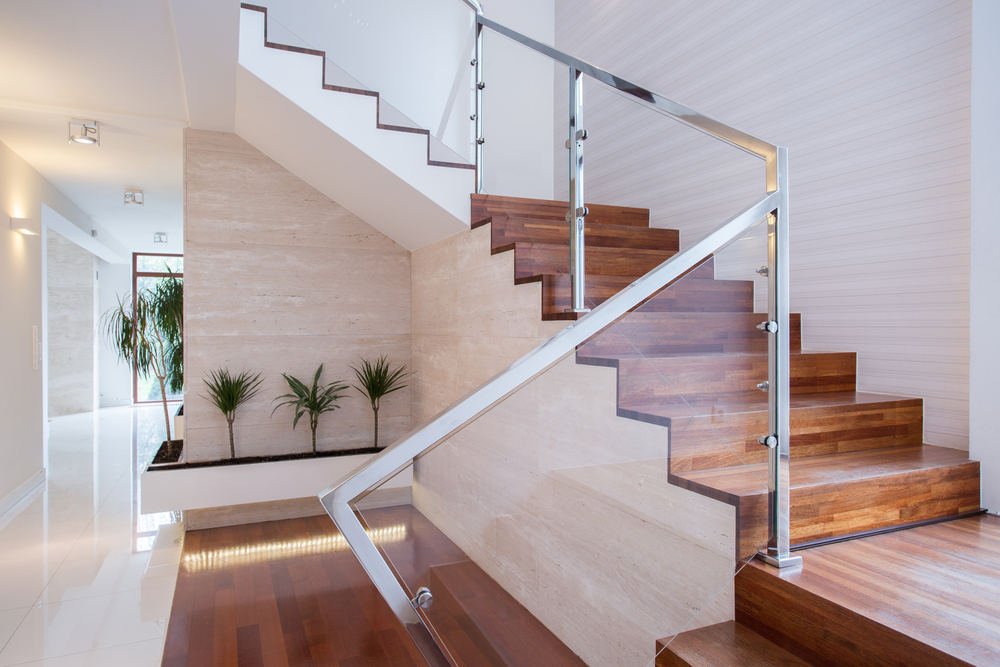
Melbourne homeowners are choosing a glass balustrade because it delivers a sleek, open-plan look while meeting the tough local building standards, and it stands up to our changeable weather. In this article you’ll learn how a glass balustrade improves daylight, boosts property value, and fits perfectly on balconies, decks, stairs, and pool edges across the city. I’ll walk through design options, compliance details, installation quirks, maintenance tricks, and repair routes so you can decide if a glass balustrade is right for your home.
What a Glass Balustrade Actually Is
A glass balustrade is essentially a transparent railing made from safety-tempered or laminated glass panels held together by stainless-steel or aluminium fixings. The panels can be 8 mm, 10 mm, or 12 mm thick, each thickness giving a different load-bearing capacity – 10 mm is the sweet spot for most residential decks in Melbourne. From what I’ve seen, the most common configurations are frameless panels with hidden standoffs, semi-frameless with a slim aluminium spine, and fully framed systems that use a thin metal rail for extra rigidity.
And the choice of hardware matters. Stainless-steel brackets resist corrosion from the salty sea breezes in bays like St Kilda, while aluminium clips are lighter and easier to install on timber decks. But the real visual impact comes from the glass itself – clear, frosted, or tinted options let you control glare and privacy without sacrificing the view.
Why Melbourne Homeowners Love Glass Balustrades
In my experience, the biggest draw is the way a glass balustrade opens up a space. A balcony overlooking the Yarra River suddenly feels larger because the rail doesn’t block the line of sight. And because Melbourne’s weather swings from bright summer sun to overcast winter, the transparent panels let natural light flood indoor rooms year-round, cutting down on the need for artificial lighting.
Another advantage is the modern aesthetic that pairs well with the contemporary brick façades common in suburbs like Fitzroy and South Yarra. A glass balustrade can sit beside timber decking, brushed aluminium, or even a timber handrail for a hybrid look. The thing is, the sleek finish also makes a property stand out when you’re selling – buyers instantly notice the premium feel.
Compliance and Building Code in Melbourne
Melbourne’s building code, the NCC, references AS 1288 for glazing safety. A glass balustrade must be able to withstand a horizontal load of 0.5 kN m⁻¹ for residential applications, which a 10 mm tempered panel typically meets. For pool fencing, the requirement jumps to 1.0 kN m⁻¹, so many owners opt for laminated glass with a higher impact rating.
- Check that the glass is marked “tempered” or “laminated” according to AS 1288-5.
- Ensure the fixings are stainless-steel grade 316 for coastal exposure.
- Confirm that the spacing between panels does not exceed 150 mm for safety.
- Australian a qualified installer who can provide a compliance certificate.
And if you’re in a heritage-listed precinct like the CBD, you’ll need to work with a heritage consultant to make sure the glass balustrade doesn’t clash with historic stonework. The council may require a visual impact statement, but most modern glass systems pass without a hitch when you choose a subtle framing colour.
Design Ideas and Material Combinations
Glass balustrade design Melbourne is all about mixing textures. A popular trend is to pair clear glass panels with a timber handrail on the outer edge, giving a warm contrast to the sleek glass. In suburbs with strong sun exposure such as Brighton, a slight tint (grey or bronze) reduces glare while still showing off the garden.
- Frameless clear glass for a pure, uninterrupted view.
- Semi-frameless with a thin aluminium spine for a contemporary edge.
- Standoff brackets that hide the fixing hardware completely.
- Incorporate LED strip lighting inside the handrail for night-time ambience.
But don’t overlook acoustic benefits. A 12 mm laminated glass panel can dampen street noise, which is handy for apartments on Collins Street where traffic can be loud. And for pool areas, a frosted pattern adds privacy without sacrificing safety, making it a go-to choice for glass pool fencing Melbourne.
Installation Considerations in Melbourne
Glass balustrade installation Melbourne is a weather-sensitive job. The best window is during the dry months of October to March when rain is less likely to interfere with sealant curing. In the cooler months, you’ll need a heated enclosure to keep the glass at the right temperature for proper bonding.
- Measure the exact length and height of the area; a 1 mm error can cause panel misalignment.
- Use silicone sealant rated for UV exposure – Melbourne’s UV index can be high in summer.
- Secure fixings to a solid substrate; timber decks need reinforcement plates.
- Check for any hidden services (electrical, plumbing) before drilling.
And always hire a licensed glazier who is familiar with local code. A reputable contractor will provide a detailed CAD drawing, which helps ensure the panels fit perfectly around corners and protrusions. In my experience, a well-planned installation cuts the total time down to two days for a standard balcony.
Maintenance and Cleaning Tips for Melbourne’s Climate
Keeping a glass balustrade looking pristine is easier than you think, but Melbourne’s salty coastal air and occasional hail can leave streaks and micro-scratches. The key is to clean regularly with a non-abrasive, pH-neutral cleaner and a soft microfiber cloth. For stubborn mineral deposits from rainwater, a vinegar-water solution works well.
- Wipe down panels at least once a week to prevent water-spot buildup.
- Apply a water-repellent coating every 12-18 months to reduce cleaning frequency.
- Inspect the stainless-steel brackets for rust, especially in bays near the bay.
- Use a soft brush to clear debris from the standoff hardware.
But if you notice a chip or crack, don’t wait. A small defect can spread under stress, especially during a sudden temperature swing. Prompt repair keeps the balustrade safe and maintains the aesthetic appeal.
Repair and Service Options in Melbourne
Glass balustrade repair services Melbourne specialize in swapping out damaged panels without dismantling the whole system. Most companies keep a stock of 8 mm, 10 mm, and 12 mm tempered glass, so they can match the original thickness quickly. If the fixings are corroded, they’ll replace the brackets with new stainless-steel ones.
- Contact a certified glazier within 48 hours of spotting a crack.
- Ask for a warranty on the replacement panel – most offer 5 years.
- Check that the new panel has the same edge finish (polished or beveled) for visual consistency.
- Consider adding a protective film to the glass to reduce future damage.
And for larger projects like a full balcony rebuild, many installers can combine repair with a redesign, offering custom glass balustrades Melbourne that incorporate new lighting or timber accents. This approach maximises the lifespan of the whole railing system.
Conclusion
Here’s the short version: a glass balustrade gives Melbourne homes a bright modern look, meets strict safety codes, and holds up against our variable weather when installed and maintained correctly. From clear panels that boost daylight to tinted options that cut glare, the design flexibility is huge. Compliance is straightforward if you follow AS 1288 and work with a licensed installer. Maintenance is simple with regular cleaning and occasional protective coating. And repairs are fast and reliable, keeping the railing safe for years to come. If you want a sleek, low-maintenance, and visually striking solution for balconies, decks, stairs, or pool edges, a glass balustrade is worth a serious look.